


Between January and April 2026, average gasoline prices rose nearly 46%, driven largely by geopolitical disruptions in the Middle East — adding an estimated $706 to annual fuel costs for the average internal combustion engine (ICE) vehicle owner, according to an iSeeCars analysis of over 2.1 million vehicles. By contrast, electric vehicle (EV) drivers saw their annual energy costs increase by just $11 over the same period.[1]
As a result, fuel-efficient SUVs have become a priority for global buyers looking for lower running costs and reduced dependency on gasoline.
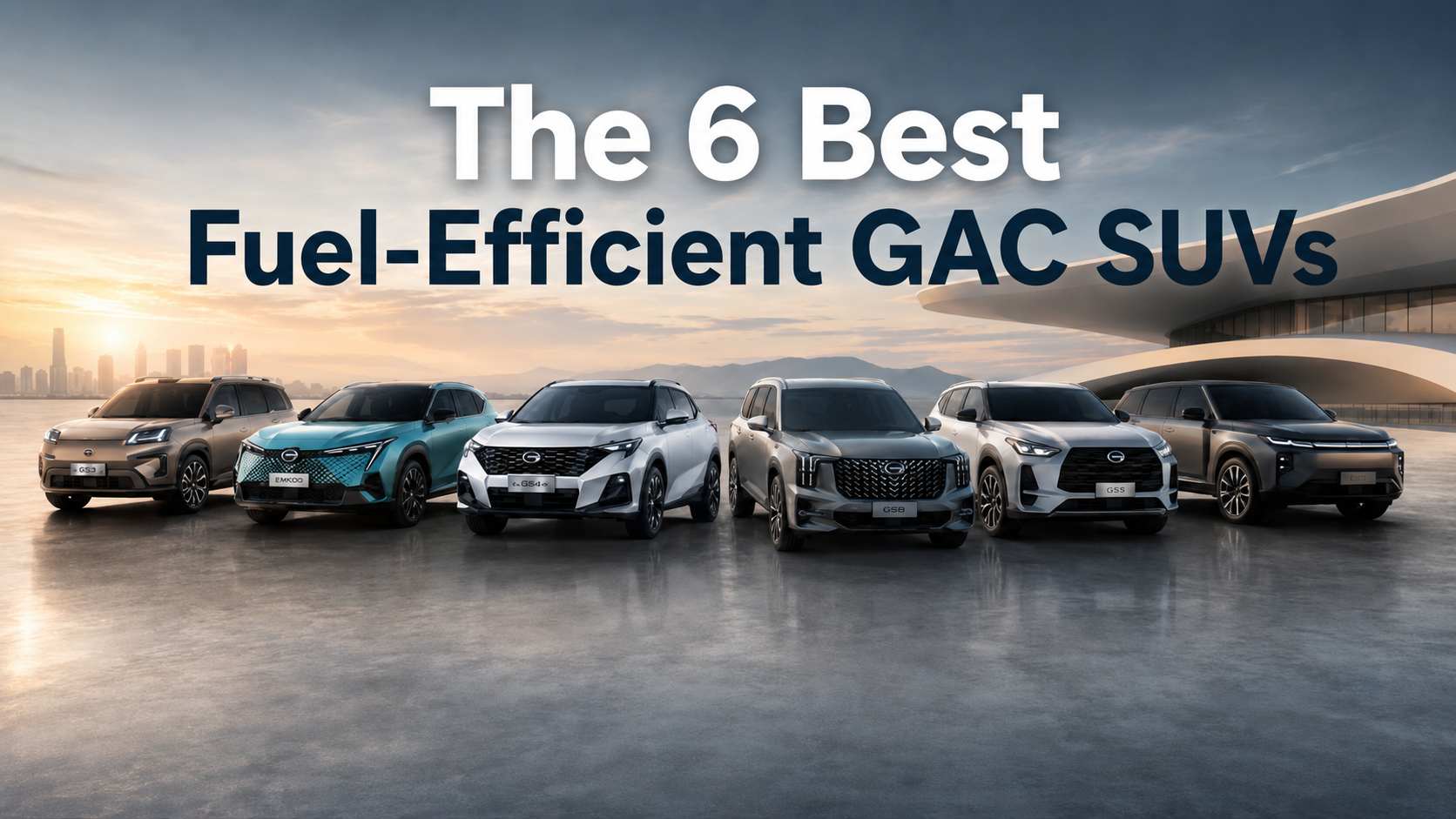
This guide explains the 6 best fuel-efficient GAC SUVs in 2026, covering electric, hybrid, and gasoline-efficient models designed for different driving needs.
What Is a Fuel-Efficient SUV?
A fuel-efficient SUV is a vehicle designed to reduce energy or fuel consumption per kilometer through electric powertrains, hybrid systems, or optimized combustion engines.
Fuel efficiency is usually measured in:
- kWh/100 km (electric vehicles)
- L/100 km (hybrid and gasoline vehicles)
Electric SUVs typically deliver the lowest running cost per kilometer, followed by hybrid SUVs, while gasoline SUVs remain dependent on driving conditions.
Therefore, choosing the right SUV depends on driving distance, charging access, and ownership cost expectations.
Best Fuel-Efficient GAC SUVs at a Glance
- Best Overall Fuel Efficiency → AION V (EV)
- Best Family SUV → GS8 (Hybrid)
- Best Budget SUV → GS3 EMZOOM (Gasoline efficiency focus)
- Best Hybrid SUV → EMKOO (Advanced hybrid system)
- Best Compact SUV → GS4 MAX (Balanced efficiency)
- Best Tech SUV → S7 (Smart EV design)
Compare the 6 Best Fuel-Efficient GAC SUVs
|
Model |
Powertrain |
Efficiency Highlight |
Driving Range |
Seating |
Key Feature |
Best For |
|
AION V |
EV |
No gasoline use |
Up to 650 km (WLTP) |
5 |
5-star ENCAP & ANCAP |
Zero fuel cost, daily commuters |
|
GS8 |
HEV |
5.8-6.5 L/100 km |
850–950 km |
6/7 |
14.6" touchscreen, Alpine audio |
Large families, long-distance |
|
GS3 EMZOOM |
Petrol (Turbo) |
6.2 L/100 km |
~700 km per tank |
5 |
58.9% high-strength steel body |
Budget buyers, urban driving |
|
EMKOO |
HEV |
4.5-5.5 L/100 km |
900+ km (combined) |
5 |
2-speed DHT hybrid transmission |
Hybrid efficiency, compact size |
|
GS4 MAX |
Petrol (Turbo) |
6.8-7.5L/km |
550–700 km per tank |
5 |
360° camera, adaptive cruise, L2 ADAS |
Compact practicality, city + highway |
|
S7 |
PHEV / EREV |
150 km pure electric range and 1020 km combined range |
1,100+ km (total) |
5 |
720° all-around collision safety matrix, L2 ADAS suite |
Tech buyers, long-range commuting |
1. AION V
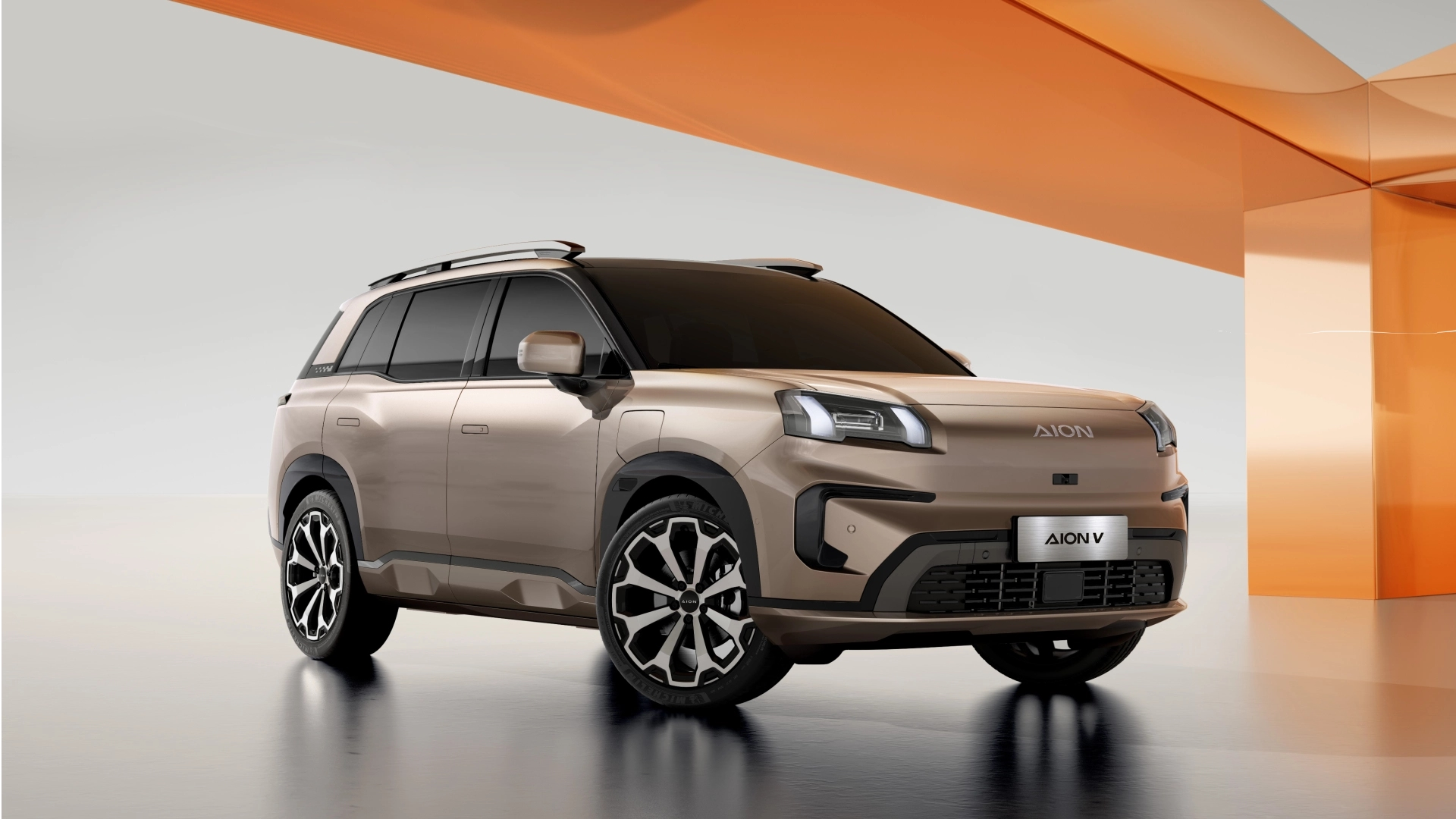
AION V is the best overall choice because it is fully electric. Therefore, it avoids gasoline costs completely when charged from the grid.
Different market versions list range figures such as 520 km and 650 km under CLTC, 505 km and 602 km under NEDC, and 435–510 km under WLTP. This matters because range figures depend on the test cycle and market version.
The energy consumption ranges from 12.8 kWh/100 km under CLTC to 16.7–17.4 kWh/100 km under WLTP for different versions. Therefore, the AION V is the most energy-efficient SUV in this GAC lineup, provided home, workplace, or public charging is available.
AION V also fits family use. It has 5 seats, a 2775 mm wheelbase, and a rear trunk space of 427–978L .
For technology, it highlights ADiGO 5.0, a Qualcomm SA8155P chip, four-zone voice interaction, online navigation, and online music. It also highlights Magazine Battery 2.0 and 7 airbags.
Choose AION V if you want a gas-saving SUV alternative and you can charge regularly.
2. GS8
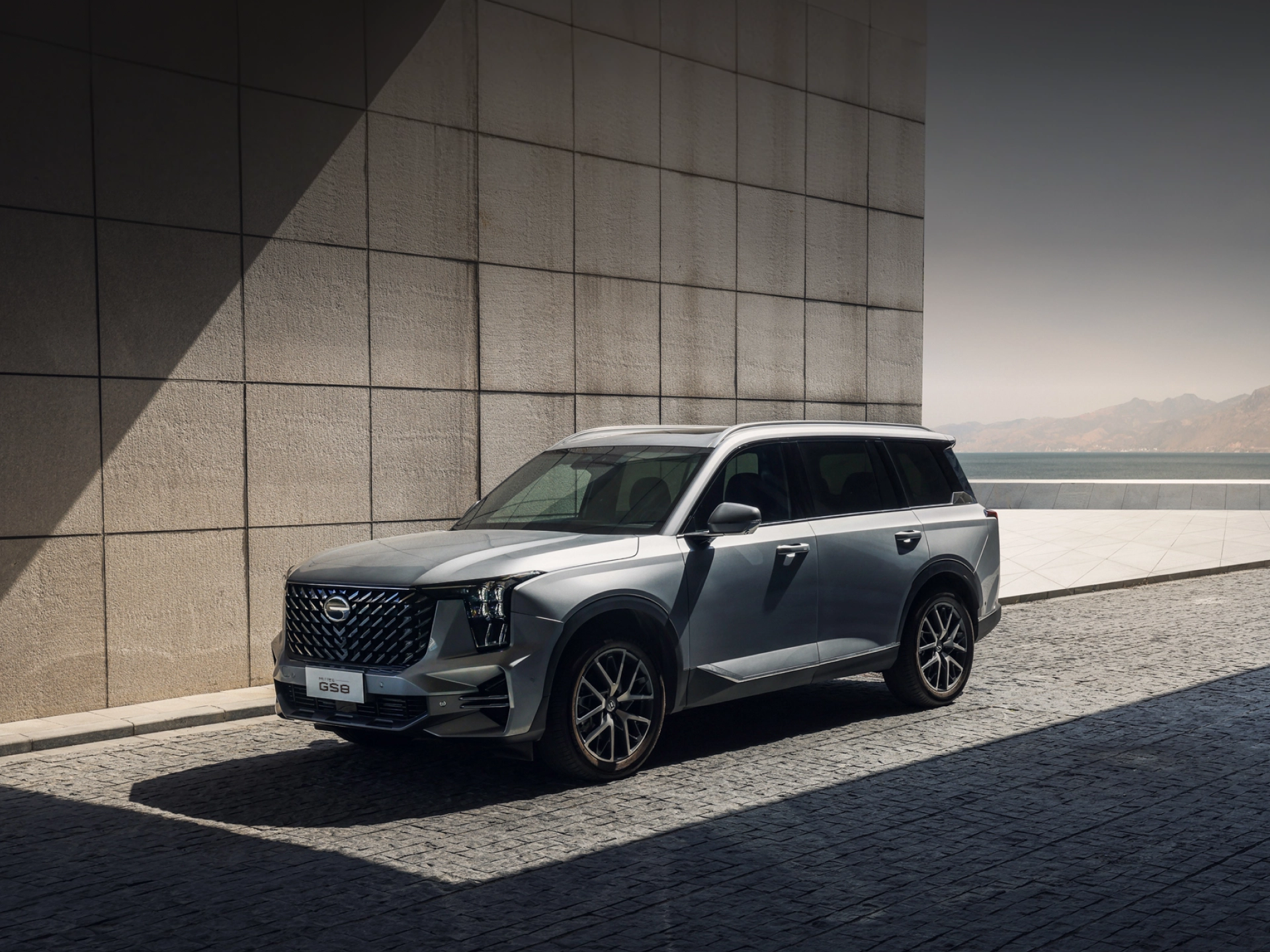
GS8 is the best family choice because it combines a large SUV layout with a hybrid powertrain. Therefore, it is more suitable than a small SUV for families that need extra passenger space.
It is a mid-to-large intelligent SUV. It also states that the GS8 HEV pairs a 2.0T engine with GAC’s fourth-generation hybrid system and returns a claimed 5.8 L/100 km.
This makes GS8 HEV relevant for buyers who want a low fuel consumption SUV but still need family space. A fully electric SUV may save more on energy, but the GS8 reduces dependence on charging.
In addition, it highlights HUD, front-mounted AVNT unit, high-power fast charging, and smartphone-vehicle connectivity.
Choose GS8 HEV if you need spacious seats, frequent long-distance capability, and lower fuel use than a conventional large gasoline SUV.
3. GS3 EMZOOM
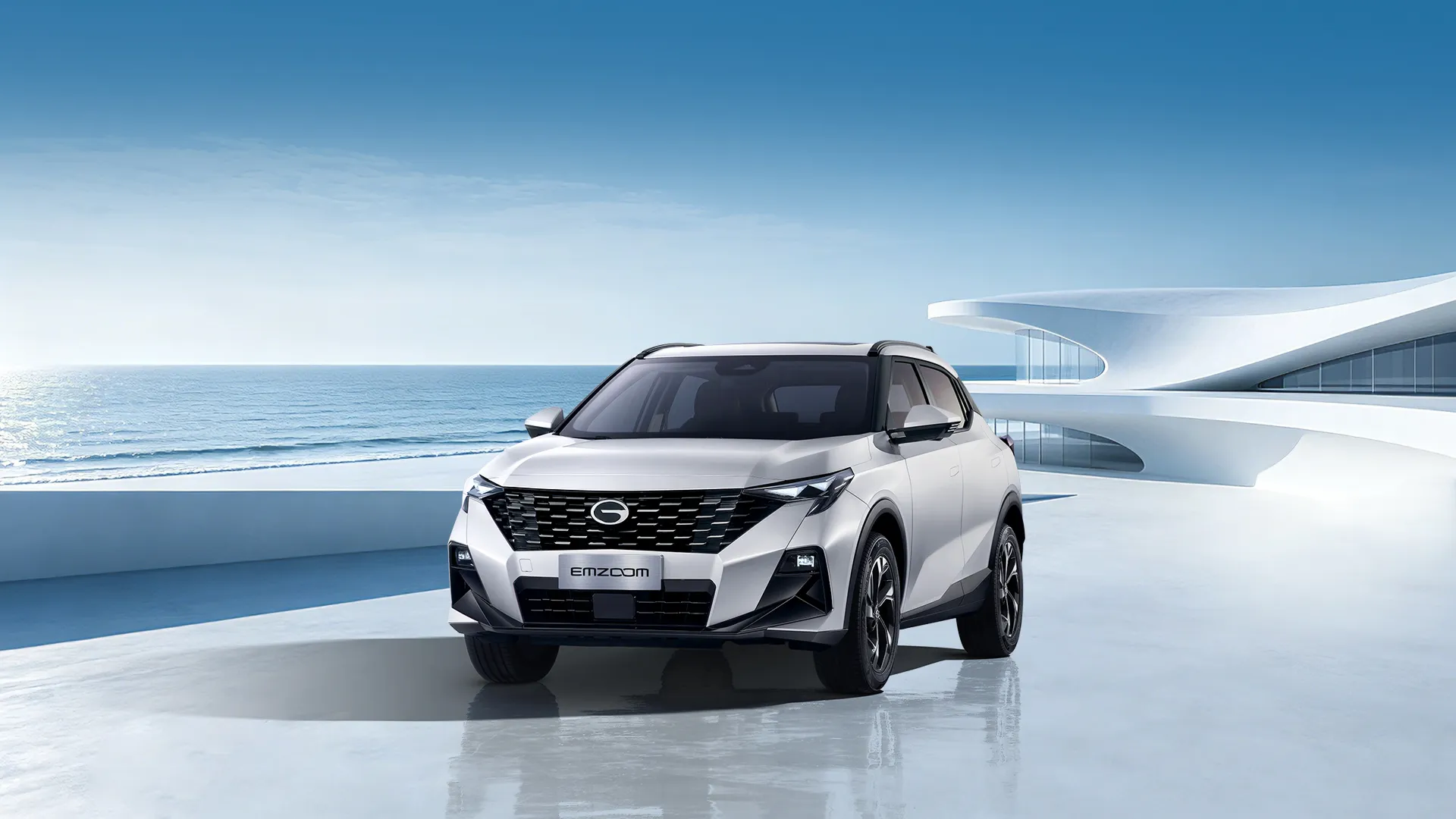
GS3 EMZOOM is the budget-friendly SUV in this list because it is smaller than GS8 and positioned as a compact SUV. Therefore, it is easier to recommend for buyers who want lower purchase and running costs.
It equips a 1.5TG engine, 7WDCT transmission, front-wheel drive, 5 seats, and a 47 L fuel tank. It also lists 4410 × 1850 × 1600 mm dimensions and a 2650 mm wheelbase.
For features, it supports 12V power interface on many versions. It also lists available ACC, AEB, HMA, and other driver assistance features on selected trims.
Choose GS3 EMZOOM if you want a budget-friendly SUV with compact dimensions and lower fuel use than many larger SUVs.
4. EMKOO
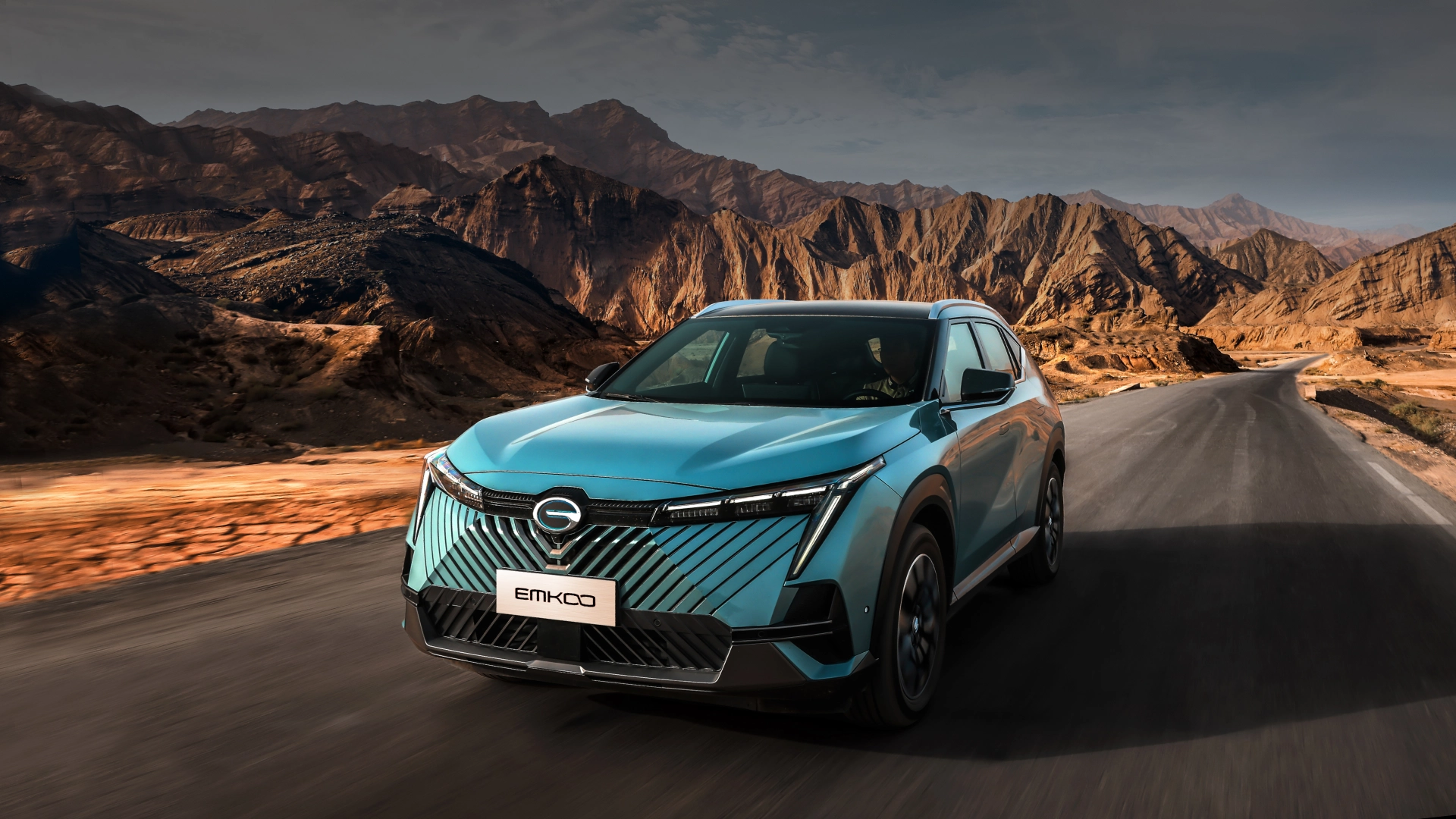
EMKOO is our recommendation for buyers comparing hybrid SUV options, especially in markets where the hybrid version is available.
Because EMKOO availability differs by region, buyers should first confirm whether their local GAC distributor offers EMKOO HEV or only the gasoline EMKOO.
A 1.5TGDI engine with 7WDCT transmission and 6.4 L/100 km fuel efficiency for the gasoline version. This makes EMKOO relevant for drivers comparing low fuel consumption SUV options.
In selected markets, EMKOO is also offered in a hybrid variant equipped with a dedicated hybrid system combining a 2.0L engine and a multi-speed DHT (Dedicated Hybrid Transmission).
For technology, it highlights a 7-inch LCD instrument cluster, 10.1-inch display, HUD, CarPlay support, wireless charging, and multiple L2-level driving aids.
EMKOO is suitable for drivers who want a fuel-efficient GAC SUV with a distinctive design, daily usability, and available hybrid efficiency in selected markets.
5. GS4 MAX

GS4 MAX is our compact all-rounder recommendation because it focuses on everyday practicality, comfort, and SUV usability.
Not every buyer has access to convenient charging. Therefore, a compact gasoline SUV can still be the right choice when purchase cost, fuel access, and maintenance convenience are priorities.
It presents as a safety- and comfort-focused SUV. It highlights vehicle structure, LED lighting, and cabin comfort features.
GS4 MAX is suitable for drivers who want a practical compact SUV and prefer a gasoline powertrain in markets where charging or hybrid availability is limited.
6. GAC S7
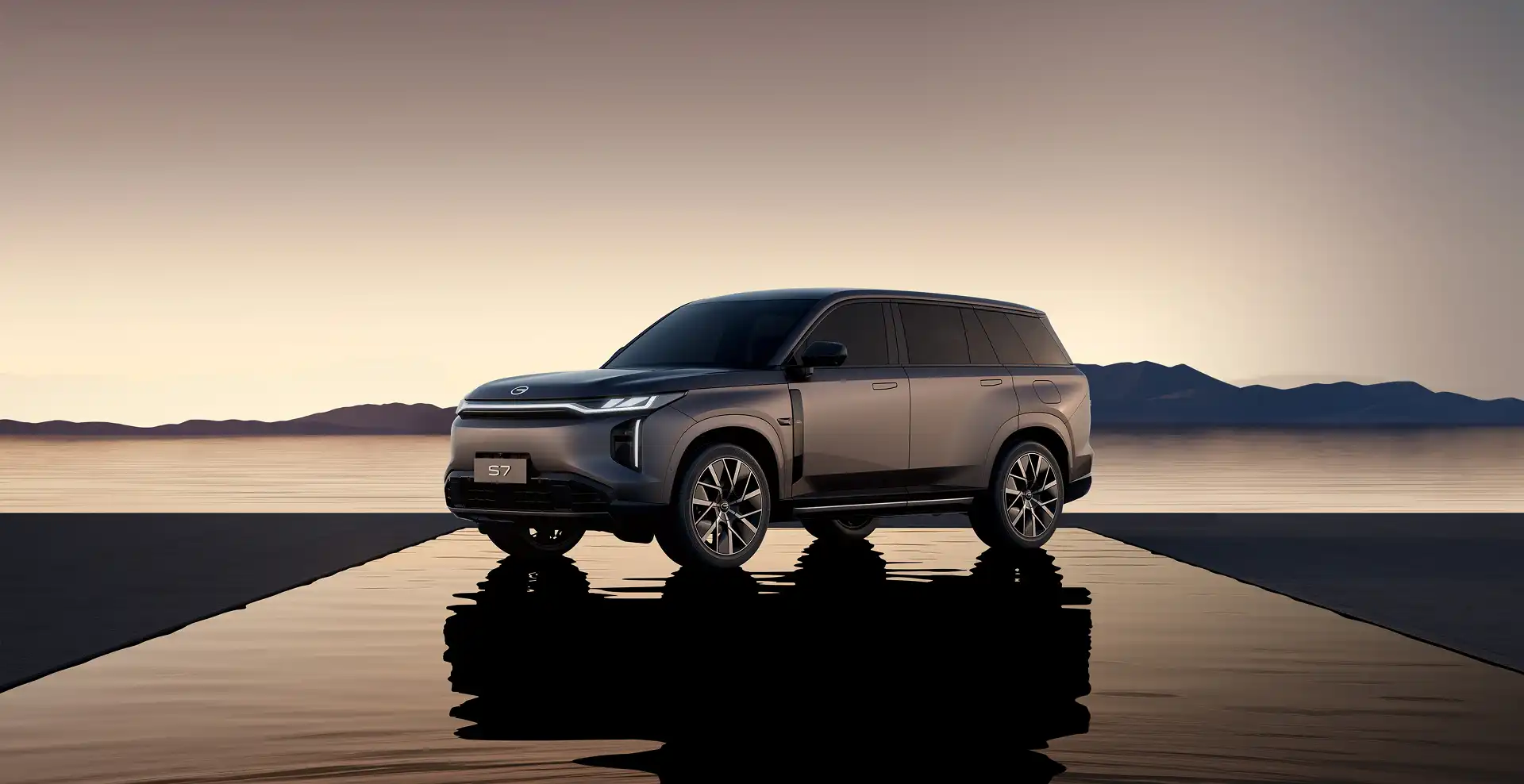
S7 is our design and technology recommendation because it combines new-energy driving with long-distance flexibility.
With both PHEV and EREV powertrain options, the model supports electric driving for daily use and engine-assisted range for longer journeys.
This powertrain approach is useful for buyers who want electric driving for daily routes and fuel-supported range for longer journeys.
It offers up to 1,020 km combined range (CLTC) and 150 km pure electric range (CLTC), supported by a 36.3 kWh Magazine Battery pack. Therefore, S7 is a strong option for drivers seeking a low fuel consumption SUV with extended range capability.
In terms of technology, it features a 15.6-inch central control display, an 8.88-inch full LCD instrument cluster, a surround view camera system, 50W wireless charging, and a 12-speaker audio system.
S7 is suitable for drivers seeking a fuel-efficient SUV with plug-in capability, long combined range, and a technology-focused cabin.
How to Choose a Fuel-Efficient SUV in 2026
The right fuel-efficient SUV depends on how you drive, where you charge, and how often you carry passengers. EVs save the most on energy in city use, hybrids work well for mixed routes, and gasoline SUVs still make sense when purchase price is the main constraint.
First, compare the ownership model. EVs use electricity instead of gasoline, hybrids reduce fuel use through electric assist, and gasoline SUVs usually have a lower entry price but higher long-term fuel cost.
Second, compare your driving pattern. City drivers usually benefit more from EVs and hybrids, while frequent highway drivers may care more about total range and fast refueling.
Third, compare ownership costs. These include fuel or charging cost, maintenance, incentives, insurance, and depreciation. Therefore, the lowest sticker price is not always the cheapest vehicle to own.
Final Thought
The right choice is the one that matches your daily driving distance, charging infrastructure, family size, and budget. The best way to confirm that match is to schedule a test drive at your nearest GAC dealer and to ask specifically about local incentives for EVs and hybrids, which can shift the purchase decision significantly.
FAQs
- Is an electric SUV better than a gasoline SUV for saving money?
An electric SUV can save more on gasoline because it uses electricity instead of fuel.
However, the final cost depends on local electricity prices, charging access, incentives, purchase price, and driving distance.
If you can charge at home or work, AION V may be the most fuel-efficient SUV choice. If charging is limited, a hybrid SUV such as GS8 HEV, EMKOO HEV, or S7 may be easier to use.
- Are GAC SUVs safe?
Yes, GAC SUVs include active and passive safety features, but equipment varies by model, market, and trim.
For example, AION V information highlights Magazine Battery 2.0 and 7 airbags. EMKOO information highlights L2-level driving aids and high-strength body structure. GS4 MAX information highlights safety protection.
Please check the exact local specification sheet before purchasing.
- Is GAC a reliable brand?
Of course, we are an established automotive group with global operations and a broad SUV lineup. Reliability should still be evaluated through local warranty terms, dealer coverage, parts availability, and service support.
- What is the warranty on GAC SUVs?
Warranty terms vary by market and powertrain.
Some common mentions 60 months / 150,000 km warranty for petrol vehicles. Some regional GAC content lists different electric vehicle warranty policies, such as an 8-year vehicle warranty and an 8-year battery warranty in selected markets.
Because warranty coverage is market-specific, please confirm the exact warranty terms with your local GAC distributor before purchase.
Disclaimer: Vehicle specifications, range, fuel consumption, features, prices, warranty terms, and model availability may vary by country, region, model year, and trim level. The information in this guide is for general reference only. Please confirm the latest details with your local GAC distributor before making a purchase decision.
References
[1] Rising Gas Prices Add $706 to the Cost of Driving a Gas-Powered Car. Available at: https://www.iseecars.com/fuel-costs-study (Accessed: June 5, 2026)