


The global electric vehicle market continues to expand in 2026, building on a 2025 baseline in which electric cars represented about 5% of the worldwide car fleet.
An important change in global EV sales is their widening geographic distribution. Growth is extending beyond China, Europe, and the United States, with more than half of electric car sales outside these markets occurring in Latin American, Asia-Pacific, and Middle Eastern countries where EV sales shares had surpassed 10% in 2025.
The following analysis examines the main drivers of emerging-market growth, compares regional trajectories, and considers the implications of this shift for automakers, distributors, and vehicle buyers.
Why Are Emerging Markets Becoming the Next EV Growth Engine?
Emerging markets are becoming a more important source of EV market growth as lower-cost models and stronger local market support broaden the geographic reach of the electric vehicle market.
Wider Availability of Affordable EVs
Lower-cost electric models are reaching more emerging markets as international distribution expands. Electric vehicle sales in emerging markets and developing economies outside China rose about 80% in 2025 to almost 1.2 million. The IEA links much of this increase to greater access to affordable electric cars.
Policy Support and Localized Market Development
Policy support is reinforcing this trend. Purchase incentives and import-duty policies have supported EV adoption in parts of Southeast Asia and Latin America. In Southeast Asia, policies in markets such as Thailand and Indonesia have also encouraged domestic electric vehicle manufacturing and local vehicle assembly.
IEA manufacturing and trade analysis also indicates that vehicle production and supply are becoming more regionalized. Local production can expand regional supply, while wider sales and distribution networks can make electric models available to more buyers.
Global EV Market Snapshot and Outlook
The 2025 data provides a quantitative view of how the electric vehicle market is developing. It shows the scale of global EV sales, the different trajectories of the major regions, and the growing contribution of emerging markets.
Global Electric Vehicle Sales Growth
Global EV sales exceeded 20 million units in 2025, increasing by 20% year on year. Electric vehicle sales accounted for one in every four new cars sold worldwide. This was also the fifth consecutive year in which annual sales increased by about 3.5 million vehicles.
Regional Trends
China remained dominant, selling more than 13 million electric cars in 2025 and accounting for six in ten units sold worldwide. Europe returned to growth, with sales rising by more than 30% to 4.2 million, while sales in the United States declined slightly to around 1.5 million.
Outside China, Europe, and the United States, electric vehicle sales reached 2 million, up nearly 50% from 1.3 million in 2024. The IEA attributes most of this increase to emerging markets and developing economies other than China. More than half of the 2 million sales occurred in countries across Latin America, Asia Pacific, and the Middle East where electric cars had reached a sales share of more than 10%.
The electric vehicle market remains concentrated in absolute sales volume, but these regional gains show that a broader group of countries is contributing to overall growth.
Outlook for More Geographically Diverse Growth
Under the IEA’s Stated Policies Scenario, the electric car market is projected to expand from about 21 million vehicles in 2025 to 55 million by 2035. Most of this expansion is expected to occur in emerging markets and developing economies.
The electric vehicle market is therefore likely to become more geographically diversified. The availability of affordable electric cars and models supported through local sales channels will become increasingly important in determining where new demand develops.
Market-Specific Impact
As the electric vehicle market broadens, priorities differ by market maturity, purchasing power, charging access, and local support.
-
Mature EV Markets
In established markets, where buyers already have access to a wider selection of EVs, competition within the electric vehicle market increasingly extends beyond advertised range to charging performance, safety, onboard technology, and total ownership value. Models that balance these attributes may offer a stronger overall proposition.
-
Emerging EV Markets
In newer markets, purchase cost and practical range often carry greater weight. Buyers also need confidence that a vehicle can be purchased, maintained, and supported locally, making distributor coverage, parts availability, warranty fulfillment, and aftersales service important considerations.
EV market growth in these regions is more likely to develop where affordable vehicles are supported by accessible sales and service networks.
Strategic EV Market Tips for 2026
The changing electric vehicle market creates different decisions for industry and buyers. Both must evaluate the vehicle together with its infrastructure and support.
-
For Automakers and Distributors
Automakers and distributors entering new markets can prioritize vehicles suited to local driving, climate, and charging conditions. Regional sales teams, parts supply, trained service capacity, and clear warranty processes can help turn international supply into more durable electric vehicle sales.
-
For Consumers
Compare total ownership cost instead of price or range alone. Review available home and public charging, expected charging time, warranty coverage, and authorized service. Home charging is generally preferred because of its relative affordability and convenience. These checks help buyers compare affordable electric cars on practical value.
GAC AION V for Evolving Global EV Demand
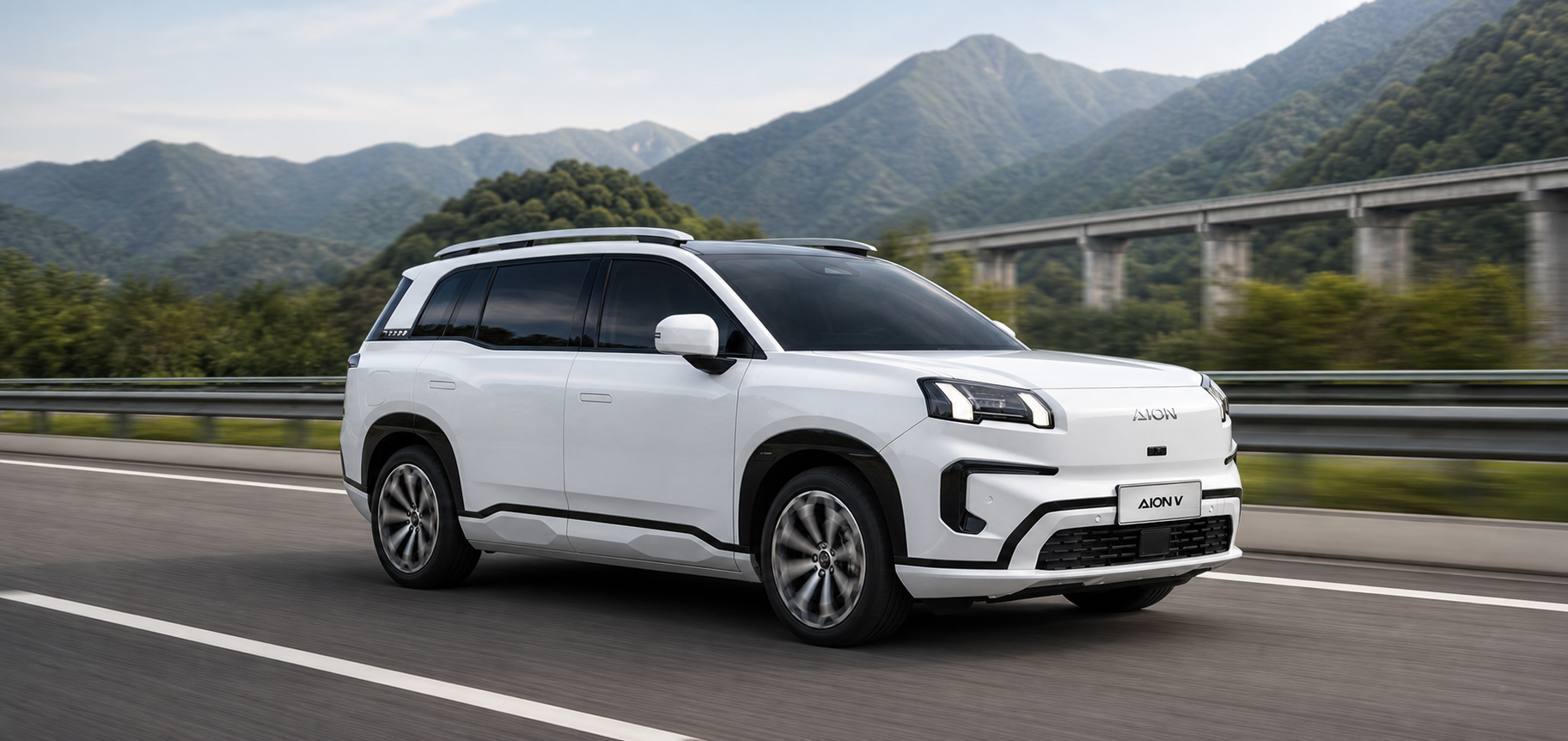
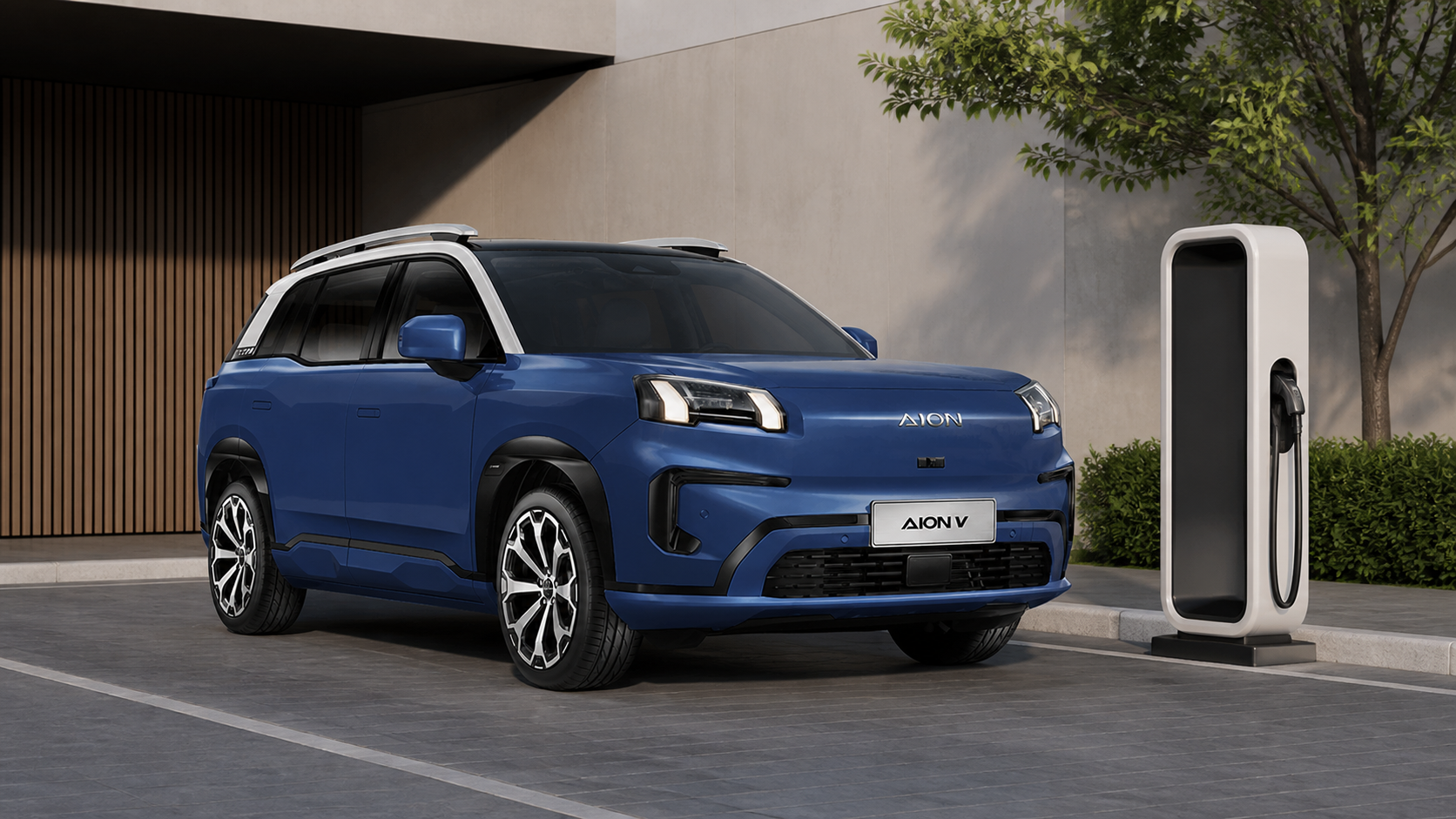
These market criteria provide a practical framework for assessing the GAC AION V within the international electric vehicle market. Its official global specification combines long-range capability, interior flexibility, smart-cabin functions, and safety features.
|
Area |
Official AION V Features |
|
Long-range performance |
Up to 650 km Long Range; Industry-Leading Integrated Heat Pump; All-in-One Integrated Electric Drive System |
|
Flexible interior |
Generous Interior Space; One-Touch Bed Mode for Front Seats; 3-Layer Trunk Storage; 8-Point Massage Front Seats |
|
Smart cabin |
Qualcomm SA8155P High-Performance Chip; ADiGO 5.0 Interactive System; Four-Zone Voice Natural Interaction; Online Navigation |
|
Safety |
ENCAP & ANCAP 5-Star Safety Body; 7 Airbags Throughout the Cabin; Magazine Battery 2.0 |
The AION V’s up to 650 km range and flexible interior address the practical range and multipurpose use valued in many emerging markets.
Its smart-cabin functions and structural, occupant, and battery safety features also align with stronger technology and safety expectations in established markets.
Together, these vehicle-level strengths support its international positioning as EV market growth spreads across more regions.
Local pricing, charging access, warranty coverage, and aftersales support remain market-specific considerations.
Conclusion
The global electric vehicle market is entering a more geographically diversified growth stage. Affordability, local availability, charging conditions, and aftersales support will increasingly shape adoption.
Combining long-range performance, flexible space, smart-cabin technology, and integrated safety features, the AION V represents GAC’s response to evolving mobility demand across international markets.
Learn more about GAC’s global vehicle lineup and mobility technologies for evolving transportation needs across international markets.
References
- International Energy Agency. Trends in Electric Cars – Global EV Outlook 2026.
https://www.iea.org/reports/global-ev-outlook-2026/trends-in-electric-cars - International Energy Agency. Manufacturing and Trade – Global EV Outlook 2026.
https://www.iea.org/reports/global-ev-outlook-2026/manufacturing-and-trade - International Energy Agency. Outlook for Electric Mobility – Global EV Outlook 2026.
https://www.iea.org/reports/global-ev-outlook-2026/outlook-for-electric-mobility-chap-9-11 - International Energy Agency. Electric Vehicle Charging – Global EV Outlook 2026.
https://www.iea.org/reports/global-ev-outlook-2026/electric-vehicle-charging-chap-6-and-10