


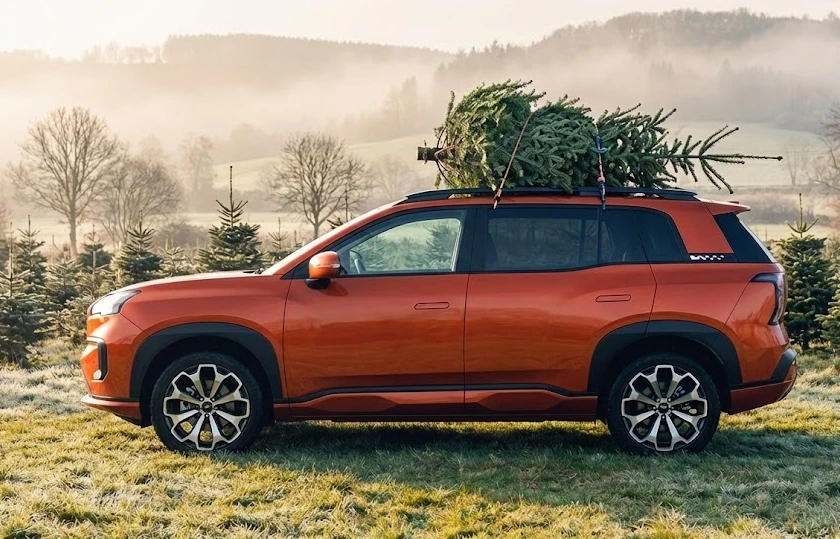
Picking out the perfect Christmas tree is a cherished holiday ritual for many families. However, bringing that tree home isn’t always straightforward. Winter roads can be slippery, icy, or snow-covered, and combining that with a large, unwieldy cargo can create real risks.
Proper transporting a Christmas tree matters for several reasons. First, it ensures road safety—both for you and other drivers. Second, it helps protect your car from scratches, dents, or other damage that can happen when hauling a large tree. Finally, it keeps your tree fresh and intact, so it arrives ready to brighten your home throughout the holiday season.
In this article, we’ll guide you through the best practices for transporting a Christmas tree in your car, step by step, so you can enjoy the holidays without stress or mishaps.
Is There Any Rule about Transporting a Christmas Tree on EU Roads?
In the EU, there are no tree‑specific laws about transporting a Christmas tree home in your car.
- Directive 2014/47/EU — often referenced when discussing cargo-securing in the EU — applies specifically to “commercial vehicles”, not to private cars in typical private use.
- In its scope definition, the Directive lists vehicle categories like M2, M3 (passenger vehicles with >8 seats), N2, N3 (goods vehicles > 3.5 tonnes), and heavy trailers.
- Therefore, a common sedan — a private passenger vehicle used for non-commercial, occasional transport — does not fall under the formal scope of this Directive.
Yet, in some EU countries, national road-traffic laws (rather than the Directive from the EU) impose requirements on transporting bulky or protruding items, so they don’t obstruct visibility, lights, licence plates, or compromise vehicle stability. For example:
- In Italy, the Traffic Code (Codice della strada), which describes how to transport large and irregular items (such as Christmas trees) in a car, requires loads to be secured and limits overhang beyond a certain length.
How to Prepare for Transporting a Christmas Tree?
Before you even load the tree onto your car, preparation is essential—especially in winter conditions common across many parts of the EU. A well-prepared vehicle not only makes transporting a Christmas tree safer but also prevents accidents and protects your car from avoidable damage.
-
Clean Off Snow and Ice
Winter roads bring cold, wind, and snowfall, which means your vehicle may be covered with ice before you start driving. Make sure to:
- Clear all snow and ice from your roof, windows, mirrors, and trunk area.
- This ensures full visibility while driving and provides a clean, stable surface for tying down straps or ropes.
- If snow remains under the tree or the straps, it can melt and loosen the knots during transport—something you definitely want to avoid.
A clean surface helps the Christmas tree sit securely, whether you place it inside the car or tie it to the roof.
-
Gather the Necessary Tools
Trying to secure a fresh tree in freezing temperatures without proper equipment is a guaranteed struggle. Preparing the right tools beforehand makes the entire process smoother and much safer.
- Ratchet Straps or Strong Rope: Choose ratchet straps or durable rope—never rely on bungee cords. That’s because bungee cords stretch under tension and can easily snap back, making them unreliable for transporting a Christmas tree on winter roads.
- Old Blankets or Towels: Place blankets or towels on the roof of your car before loading the Christmas tree. This step can prevent scratches, protect your paint, and reduce sliding during tree transport.
- Gloves for Cold-Weather Handling: Typically, Christmas trees are conifers, including Firs, Cypress, Spruce, etc. Fresh trees are heavy, prickly, and often icy. Wearing insulated gloves protects your hands and gives you a stronger grip when lifting or tightening straps.
Where Can You Place on Your Car As Transporting the Christmas Tree?
Once your vehicle is prepared, the next step is choosing where to place the tree. The correct loading position is essential for keeping your car stable, maintaining visibility, and preventing the tree from shifting while driving. Depending on your vehicle type and available equipment, you may have several options — but not all offer the same level of safety.
1. How to Transport a Christmas Tree by Roof Rails?
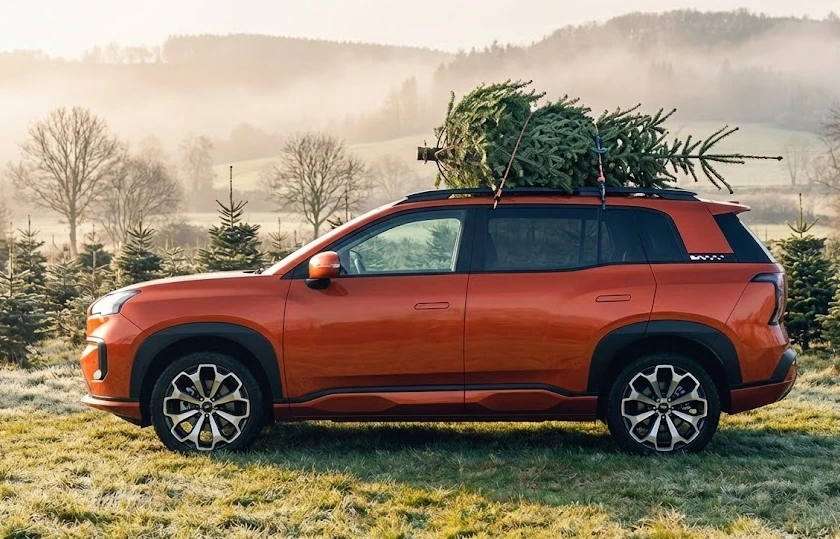
For most drivers, the roof is the safest and most efficient place for transporting a Christmas tree, especially if the car is equipped with roof rails.
Positioning the Tree Correctly
How you place the tree on the roof matters just as much as how you tie it down.
- Trunk facing forward: Always load the tree with the thicker end (the trunk) pointing toward the front of the car. This reduces wind resistance, prevents branches from catching the wind, and keeps the tree more stable at speed.
- Center it for balance: Make sure the tree is aligned with the car’s centerline. A lopsided load can affect stability and create unnecessary drag, especially on slippery winter roads.
Padding to Protect Your Car
Christmas trees can damage paint if placed directly on metal.
- Use a blanket or tarp: Place an old blanket, towel, or tarp on the roof before loading the tree.
- Prevent scratches and sap stains: Padding keeps branches, bark, and sap from scratching your paint or leaving marks that are difficult to remove in cold weather.
Proper Strapping Technique
Strapping is the most important part of safe tree transport.
- Use at least 2–3 ratchet straps: One strap over the trunk, one in the middle, and one near the top ensures the tree stays stable even during sudden braking.
- Wrap around both the tree and the rails/frame: Do not tie straps only around the tree—attach them to solid parts of the car (rails or roof rack) for real security.
- Do a “tug test” before driving: Grab the tree with both hands and pull hard in different directions. If it doesn’t shift, you’re ready for the road. If it moves, tighten the straps again.
2. How to Transport a Christmas Tree by Placed Inside the Car?
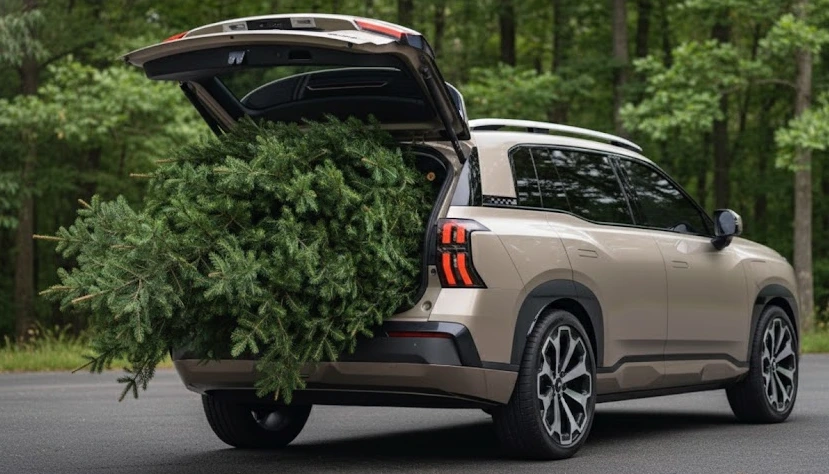
If your car doesn’t have roof rails—or if you prefer to keep the tree out of harsh winter wind—transporting a Christmas tree inside the cabin is also possible. This method can be surprisingly safe and convenient when done correctly, as long as the tree fits without compromising visibility or passenger safety.
Fold Seats and Lay Protective Coverings
- Start by folding down the rear seats to create an extended cargo area
- Lay blankets, plastic sheets, or old towels across the floor and seatbacks. This helps protect the cabin from needles, sap, and scratches.
Load the Tree Carefully
- Branches first: Slide the tree into the car with the branches going in first and the trunk facing the rear. This prevents the stronger trunk end from scraping the dashboard or damaging interior panels. Move slowly and adjust angles as needed to avoid bending branches or hitting the roof liner.
Secure the Tree to Prevent Movement
Even inside the cabin, the tree must be firmly fixed, so it won’t shift during braking or turns.
- Use interior tie-down points, cargo hooks, or rear seat anchors
- A couple of short straps or sturdy rope segments are enough to hold the tree in place.
- Make sure the tree does not obstruct rear visibility or interfere with airbags.
|
Why the AION V Excels at Interior Transport? Among electric SUVs, the AION V stands out as an ideal vehicle for carrying bulky seasonal items like a Christmas tree. Its cabin is engineered with exceptional flexibility and comfort, making inside transport both practical and hassle-free.
By these thoughtful interior features, the AION V makes transporting a Christmas tree inside the vehicle not only possible, but remarkably convenient—perfect for drivers who want a clean, protected, and comfortable holiday experience. |
How to Drive Safely in Winter Weather as Transporting a Christmas Tree?
Transporting a Christmas tree already adds weight and height to your vehicle, and winter conditions make the drive even more unpredictable. Snow, ice, strong winds, and reduced visibility can all increase stopping distances and affect vehicle stability.
-
Slow Down and Increase Following Distance
Extra weight—especially on the roof—raises your vehicle’s center of gravity and affects braking. By reducing speed and maintaining a larger gap from the car ahead, you give yourself more time to react to slippery surfaces.
In GAC’s vehicles, like AION V, the L2 intelligent driving can assist by monitoring road conditions, maintaining a safe distance, and helping keep your lane positioning steady.
-
Avoid Sudden Braking or Sharp Turns
A loaded vehicle can shift unexpectedly during aggressive maneuvers. Smooth steering and gentle braking help maintain stability, while ABS (Anti-lock Braking System) ensures better control if you need to brake on icy roads. This keeps your tires from locking up and helps you steer safely even during emergency stops.
-
Check Visibility and Avoid Snow Accumulation on the Roof
Snow or ice buildup—both on your roof and on the tree itself—can fall onto your windshield or blow into surrounding traffic. Clear your vehicle thoroughly before driving.
-
Make Frequent Stops on Long Routes
Winter weather can loosen straps, shift branches, or affect the balance of your load. Make it a habit to stop every 20–40 km to:
- Check strap tension
- Inspect for shifting
- Remove excess snow or ice
- Ensure the tree remains secure
This is especially important in windy or snowy environments, where resistance and movement increase. In every GAC vehicle, the TPMS (Tire Pressure Monitoring System) also helps by alerting you to tire pressure changes caused by low temperatures, ensuring safe traction throughout the journey.
How to Safely Unload Your Christmas Tree from the Car?
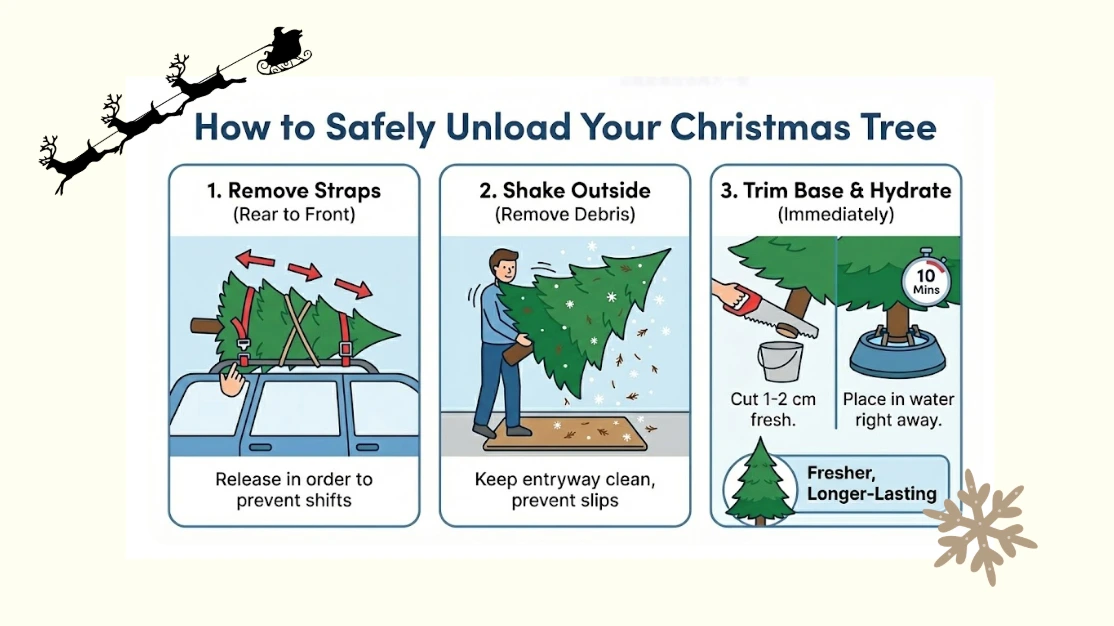
Once you’ve arrived home, unloading the Christmas tree safely is just as important as securing it for the trip. Doing it correctly protects your car, prevents injuries, and helps keep the tree in the best condition for decorating. Follow these simple steps to make the process smooth and hassle-free.
-
Remove Straps in Order
Start by releasing the straps one by one, beginning from the rear and working your way forward. This prevents sudden shifts in weight and ensures the tree remains stable while you remove the final tie-downs. Keep your hands clear of branches in case the tree moves slightly as tension is released.
-
Shake Out Snow and Loose Needles
Before bringing the tree indoors, give it a light shake outside to remove snow, loose needles, and small debris. This keeps your entryway clean and prevents melted snow from creating slippery spots inside your home.
-
Trim the Base and Hydrate Immediately
- Cut 1–2 centimeters off the base to open up fresh wood.
- This helps the tree absorb water more effectively.
- Place the tree in water right away—ideally within 10 minutes of trimming.
A freshly hydrated tree stays greener, holds needles better, and maintains its fragrance throughout the holiday season.
Conclusion
Transporting a Christmas tree can be effortless and safe when you choose the right vehicle setup, secure your load properly, and drive carefully—especially during winter weather.
Modern GAC models in Europe, with features like L2 intelligent driving, ABS, TPMS, and spacious interiors such as the AION V’s flexible cabin layout, make the entire process smoother from start to finish.
Whether you’re carrying the tree on the roof or storing it inside, a little preparation goes a long way toward protecting your car, your cargo, and everyone on the road. Follow the steps above, and you’ll bring home a beautiful, fresh tree ready to brighten your holidays!
Merry Christmas!