


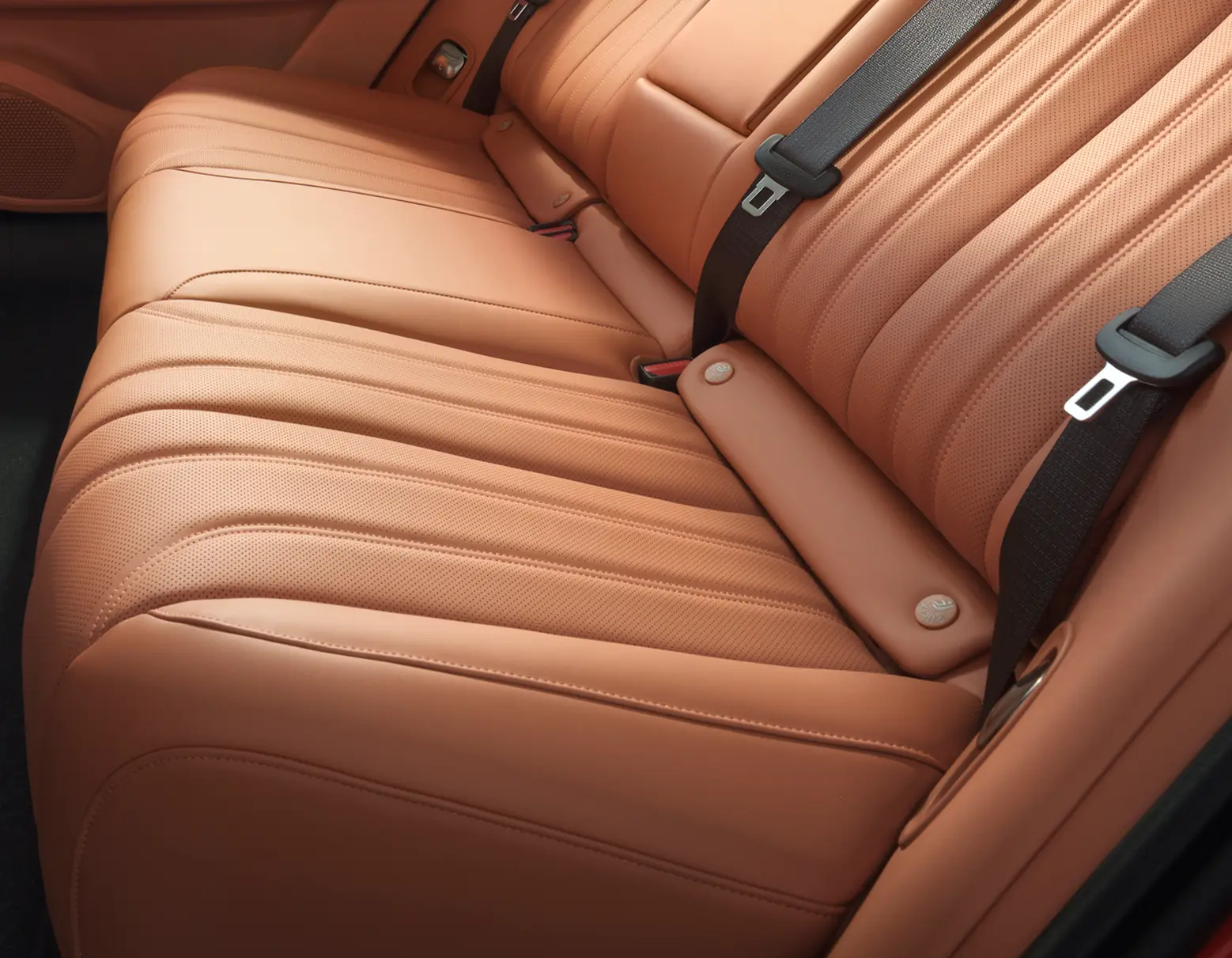
Every year, thousands of infants in Europe suffer injuries in car accidents due to unrestrained or improperly restrained seating. We at GAC believe that protecting our youngest passengers begins with understanding how to correctly install an infant car seat. Unfortunately, research shows that only one-third (between 20% and 50%) of children are correctly restrained in their car seats.[1] One of the most common errors is belt slack.[2] The good news is that most of these errors are avoidable with the right guidance and awareness. In this article, we’ll explore common mistakes to ensure your child has the maximum protection our vehicles can offer.
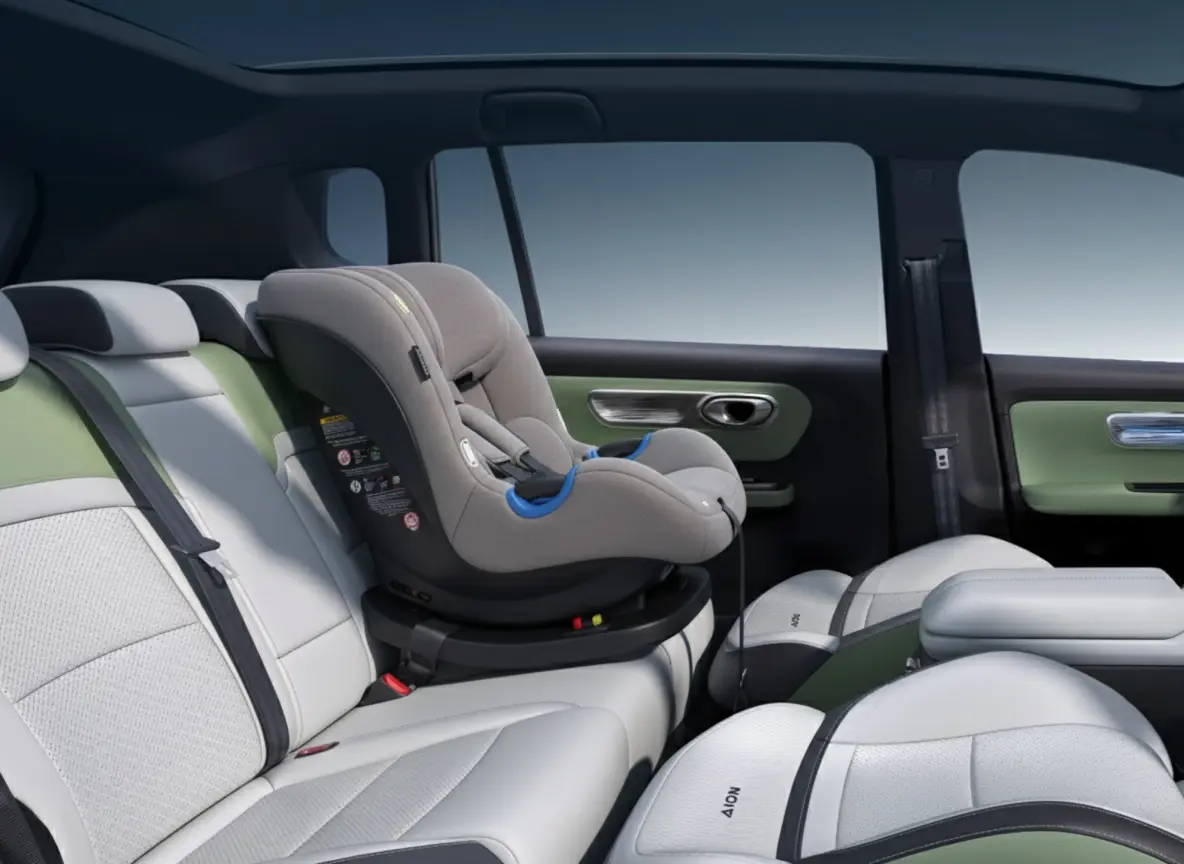
Common Installation Mistakes Parents Often Overlook
Even the best baby car seat cannot do its job if it isn’t installed correctly. Through years of observing families and consulting with safety experts, we’ve identified the most frequent mistakes that compromise protection.
- Loose installation: This is the most frequent error. The test is simple: grip the infant car seat at the belt path (where the seat belt or LATCH strap goes through). It should not move more than 1 inch (about 2.5 cm) side-to-side or front-to-back. Any more movement means it’s not secure enough to protect your child during an impact.
- Incorrect Recline Angle: For newborns and young infants, the recline is not just for comfort; it's for breathing. If a seat is too upright, the baby’s heavy head can flop forward, obstructing their fragile airway.
- Improper HarnessPlacement: The harness is what holds your child in the seat. For a rear-facing infant car seat, the straps must come from at or just below the baby's shoulders. They must also be snug.
- Using Both LATCH and Seat Belt: It's a common thought: “More is better.”In this case, it's not. Car seat manufacturers design their seats to be used with either the LATCH system (also known as ISOFIX) or the vehicle's seat belt, not both simultaneously. Doing so can create uneven stress points on the seat's shell, potentially causing it to fail.
- Facing the Wrong Direction Too Early: All safety experts agree: children should remain rear-facing for as long as possible, until they reach the maximum height or weight limit for their seat. Turning a child forward-facing before age two (and ideally, much later) dramatically increases the risk of severe head and spinal injuries in a frontal crash.
.png)
How to Avoid These Mistakes
At GAC, we design vehicles with families in mind. Whether you’re using the AION V or another GAC SUV, correct installation is simple once you know the right steps.
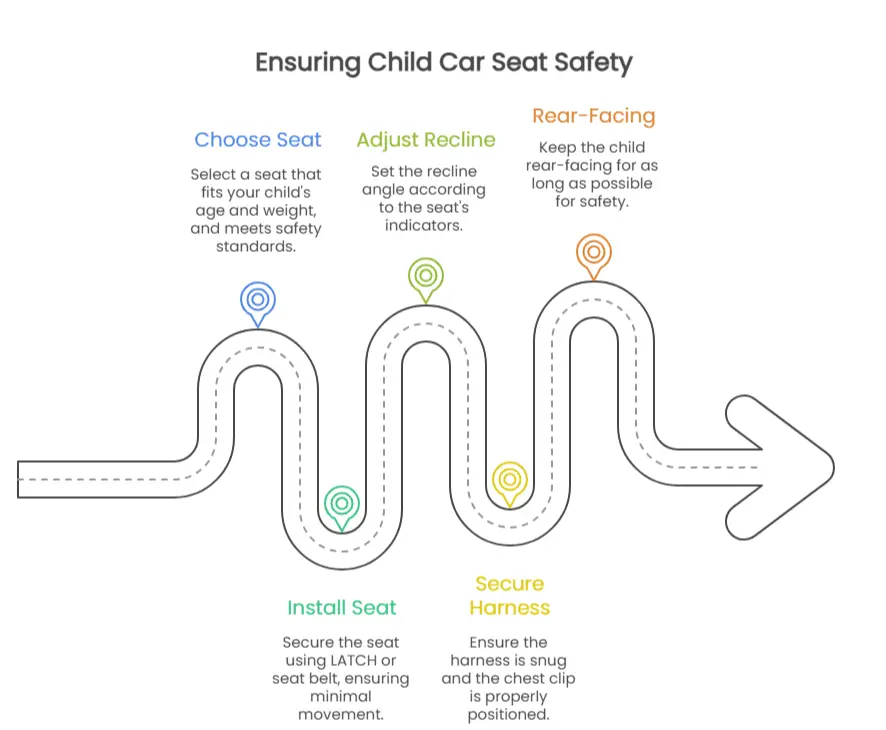
- Step 1: Choose the right seat for your child’s age and weight. Always confirm that the seat fits your vehicle model and meets EU safety standards.
- Step 2: Install using either LATCH or the seat belt — never both. Press the seat firmly into the cushion while tightening the belt until there’s less than one inch of movement.
- Step 3: Adjust the recline angle. Most infant car seats have indicators to show the correct level. In SUVs like the AION V, the larger interior space and adjustable seating make it easier to fine-tune the recline.
- Step 4: Secure the harness. The chest clip should align with the baby’s armpits, and you should not be able to pinch the strap fabric.
- Step 5: Keep it rear-facing. We recommend keeping your child rear-facing for as long as possible, ideally until at least two years of age(and ideally, much later).
The scientific reason for proper car seat installation for newborns is all about energy distribution. In a crash, a correctly installed, rear-facing seat absorbs the immense impact forces and cradles the child, spreading those forces over their entire body. This protects the head, neck, and spine, which are an infant’s most vulnerable areas.
At GAC, we understand that this process can be physically awkward in smaller vehicles. The generous interior space in a GAC SUV provides more room to manoeuvre, making it easier to see the recline indicators and get the leverage you need to tighten the base properly.
Checking and Maintaining the Installation Over Time
Installation is not a “set it and forget it” task. An infant car seat can loosen over time due to road vibrations and daily use. As your child grows, the harness will need constant adjustment. We encourage parents to perform a quick check regularly:
- The 1-Inch Test: Perform this test at least once a week, if not every time you put your child in the car. It takes only a few seconds.
- Check the Harness: As your baby grows (and they grow fast!), you will need to adjust the shoulder strap height. Re-check the strap snugness on every single trip, as it can change depending on the thickness of their clothing. (Note: Never put a baby in a car seat wearing a bulky winter coat, as this creates dangerous slack.)
- Re-Check the Recline: As the seat settles, the recline angle might shift. Glance at the recline indicator regularly to ensure it's still in the safe zone for your newborn.
- Check the Expiry Date: Many parents are unaware that car seats expire. The plastic can become brittle over time, and safety standards improve. The expiration date is usually stamped on the seat’s shell.
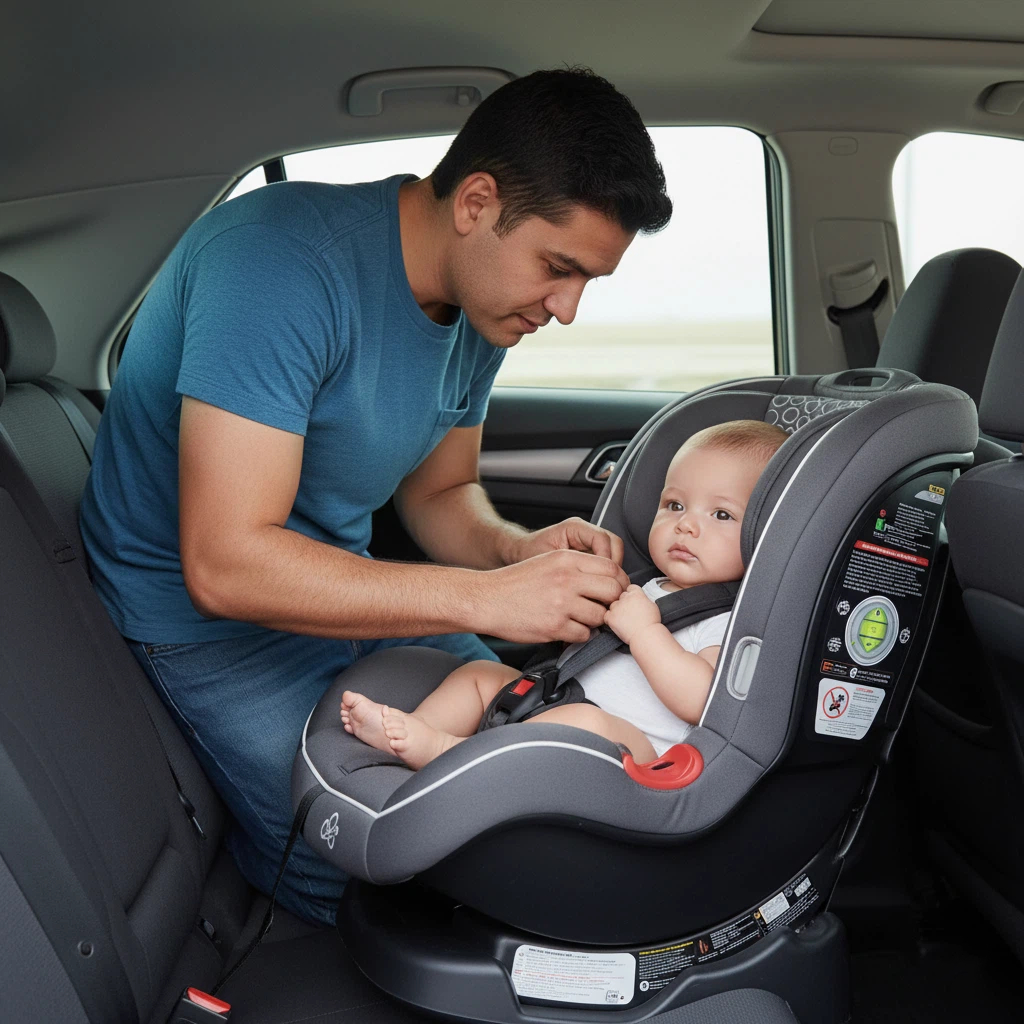
*For illustration only. The vehicle shown is not the actual AION V.
Conclusion
There is no cargo more precious than your child. Therefore, we design our vehicles with families in mind. A modern GAC SUV like the AION V is a perfect example. Its spacious, open-concept interior and wide-opening rear doors are not just for comfort; they are designed to make the difficult job of parenting a little easier. This includes providing ample room to comfortably and correctly install infant car seat systems without contorting yourself.
We build the car, and you build the safe environment within it. We invite you to learn more about our commitment to family safety and explore the GAC AION V and our full lineup of vehicles at the GAC website. Drive safely.
References
[1] Road Safety Thematic Report–Seat belt and child
restraint systems. Available at: https://road-safety.transport.ec.europa.eu/system/files/2022-01/Road%20Safety%20Thematic%20Report%20-%20Seat%20belt%20and%20child%20restraint%20systems.pdf (Accessed: October 23, 2025)
[2] Use of child restraint systems. Available at: https://www.udv.de/resource/blob/74892/bb381e5022370b5c5eb2142651793d23/82-e-verwendung-von-kinderschutzsystemen-data.pdf (Accessed: October 23, 2025)