


Electric mobility continues to gain momentum as charging infrastructure expands and EV technology advances. According to the International Energy Agency (IEA), electric cars accounted for nearly 30% of new car sales in Europe in 2025.
Yet range anxiety remains one of the biggest concerns for buyers, especially those who frequently travel between cities or across borders. For today's electric SUVs, long-distance capability depends on far more than battery capacity.
This article explores the technologies and performance factors that make an electric SUV practical for extended journeys.

Why Long-Distance Driving Matters for Electric SUVs
As EV adoption grows, long-distance capability has become an important consideration for many buyers. Everyday travel often extends well beyond urban commuting, making consistent performance on longer routes increasingly valuable.
Cross-Border and Intercity Mobility Is a Normal Usage Pattern
Business trips, family visits, and leisure travel often involve journeys between cities or neighboring countries. These travel patterns require electric SUVs that combine dependable range with convenient charging support.
Highway-Centric Driving Conditions Are Common
Motorways remain the primary route for long-distance travel. Sustained high-speed driving typically increases energy consumption compared with urban traffic, making efficiency and charging performance more important than headline battery capacity alone.
Diverse Geography and Travel Distances Across Regions
Long journeys may include mountains, coastal roads, or colder climates. An electric SUV needs to deliver reliable performance across varying road and weather conditions.
Why Long-Distance EV Usability Depends on More Than Battery Range
Although driving range often receives the most attention, real-world usability depends on how multiple systems work together throughout a journey. A balanced combination of efficiency, charging, and comfort delivers a more practical ownership experience.
- EV Range Alone Does Not Guarantee Travel Convenience
Official range figures provide a useful benchmark, but they do not reflect every driving scenario. Route planning, charging opportunities, and energy efficiency all influence how convenient an EV is during longer trips.
- Real-World Conditions Affect Usable Range
Highway speeds, cold temperatures, and terrain can all increase energy consumption and reduce driving range.
- Charging Availability Determines Travel Flexibility
An expanding charging network supports longer journeys, but charging speed is equally important. Faster charging reduces waiting time and makes route planning more convenient during extended travel.
- Comfort and Fatigue Management Affect Long-Trip Usability
Long journeys place greater emphasis on seating comfort, cabin quietness, climate control, and intelligent driver assistance. These features help reduce fatigue and improve the overall driving experience.
- Vehicle Efficiency Influences Energy Consumption Stability
Efficient electric drive systems, thermal management, and regenerative braking contribute to more stable energy consumption, allowing drivers to achieve consistent performance under varying road conditions.
Key Technologies That Support Long-Distance EV Driving
Modern long range EV SUVs combine several technologies to improve driving efficiency, reduce charging interruptions, and enhance comfort throughout extended journeys.
High and Stable EV Range Performance
Rather than focusing solely on maximum range, manufacturers increasingly optimize battery systems and vehicle efficiency to deliver consistent performance across different temperatures and driving conditions.
Efficient Energy Management System
Advanced energy management coordinates battery output, regenerative braking, and thermal control to reduce unnecessary energy loss while maximizing usable driving range.
Fast and Practical Charging Capability
Rapid DC charging allows drivers to recover significant driving range during short breaks. Combined with widespread charging infrastructure, fast charging supports more flexible trip planning.
Comfort-Oriented SUV Design
Ergonomic seating, spacious interiors, effective climate control, and low cabin noise contribute to a more relaxed driving experience, particularly during extended highway journeys.
Intelligent Driving Assistance Systems
A smart EV SUV equipped with adaptive driver assistance can help maintain safe following distances, support lane keeping, and reduce driver workload during long motorway trips, improving both convenience and confidence.
GAC AION V: A Practical Example of a Long-Distance Electric SUV
The long-distance capability of an electric SUV depends on how battery technology, energy efficiency, and intelligent systems work together. The GAC AION V integrates multiple technologies designed to improve range confidence, charging convenience, and driving efficiency for extended journeys.
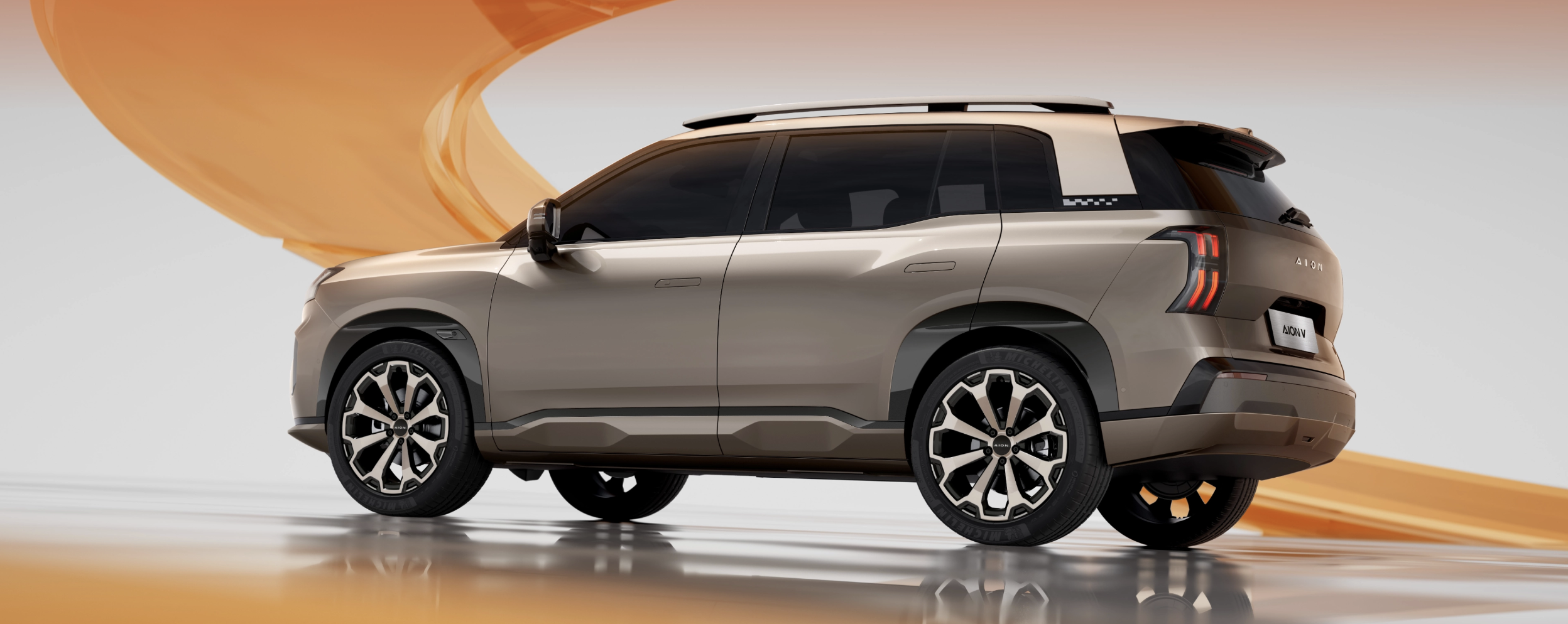
- Extended Range Performance for Fewer Charging Stops
The European-specification GAC AION V offers up to 510 km WLTP driving range, reducing the need for frequent charging stops during longer journeys. Its 75.26 kWh LFP battery provides stable energy support for both daily mobility and extended travel.
- Magazine Battery Technology for Safety and Efficiency
The Magazine Battery technology enhances battery safety, durability, and energy efficiency. Its advanced battery design supports reliable operation and stable performance across different usage conditions.
- Integrated Heat Pump for Better Range Stability
The vehicle's thermal management system helps optimize energy use under different climate conditions. Efficient temperature control supports more stable real-world range performance, especially when external temperatures affect energy consumption.
- Efficient Electric Drive System for Highway Efficiency
The efficient electric drive system helps optimize energy consumption during highway driving, supporting smoother and more efficient long distance EV driving. The optimized power system balances driving performance and energy efficiency during extended journeys.
- Intelligent Energy Management for Optimized Power Usage
The intelligent energy management capabilities coordinate power usage and regenerative braking to improve overall efficiency. Optimized energy distribution helps enhance range performance and support consistent driving efficiency.
Conclusion
A capable electric SUV is defined by more than battery capacity. Consistent range, efficient energy management, fast charging, thermal performance, and driving comfort all contribute to a better long-distance experience. As EV technology continues to evolve, these features are becoming increasingly important for extended travel.
Explore GAC's lineup to discover how advanced battery technology and intelligent energy management support confident long-distance driving.
FAQs
1. Are electric SUVs already practical for cross-country travel?
Yes. Longer driving ranges, expanding charging networks, and faster charging technologies have made long-distance EV travel increasingly practical.
2. How much does highway speed reduce EV range compared to city driving?
Highway driving generally increases energy consumption because of greater aerodynamic resistance, although the exact impact varies with driving conditions.
3. What matters more for long trips: battery size or charging speed?
Both matter. A larger battery reduces charging frequency, while faster charging minimizes travel time.
4. Why do some EV SUVs perform better in winter conditions?
Efficient thermal management systems, including heat pumps and intelligent battery temperature control, help reduce energy loss and maintain battery performance in colder weather.
5. What should buyers prioritize when choosing a long-distance EV SUV?
Buyers should evaluate overall efficiency, real-world driving range, charging capability, thermal management, comfort, and intelligent driving assistance instead of relying solely on official range figures.
Reference
- International Energy Agency (IEA). Global EV Outlook 2026. https://www.iea.org/reports/global-ev-outlook-2026