



Buying a car is a significant milestone for many Hong Kong residents, but the process involves more than just selecting a model. Your choice of payment method significantly impacts cash flow, risk exposure, and future flexibility in vehicle usage. This article compares common car financing options in Hong Kong to help you make a smarter decision.
How Payment Arrangements Impact Your Cash Flow and Vehicle Flexibility
Purchasing a car is a major financial decision. Key factors to consider when choosing a payment method include:
- Cash Flow Pressure: How will a lump-sum payment or loan installments impact your daily budget?
- Total Cost: Interest charges, processing fees, insurance, taxes, and other expenses add up to extra costs.
- Negotiating power: Paying cash may give you an edge in price negotiations.
- Future flexibility: Which payment method offers the most flexibility if you want to trade in or sell your car sooner?
Whether you're a first-time buyer or looking to upgrade your current vehicle, understanding the pros and cons of various payment options is an essential first step.
Cash Payment: Characteristics and Impact of a One-Time Payment
Cash payment means paying the full purchase price upfront without any loans or installment arrangements. This method is straightforward because
- No interest costs: You avoid borrowing expenses, ensuring transparent total costs.
- Greater bargaining power: Cash buyers sometimes have an advantage when negotiating with dealerships.
- Full ownership: The vehicle registration documents (title) belong to you immediately, with no liens or restrictions.
However, it significantly impacts liquidity. Especially with new cars' high value and diverse models, you might need to pay hundreds of thousands or even millions of Hong Kong dollars upfront. If insufficient cash remains, it could affect other financial needs like household expenses, investments, or emergency funds. This is when many consider financing.
"Car Financing" — How Traditional Auto Loans Work
What is a car loan?
"Car financing" is one of the most common installment payment arrangements for purchasing vehicles in Hong Kong, typically arranged through car dealerships or distributors as an auto loan.
Down Payment, Repayment Period, and Interest Structure
Down Payment: Some plans require a certain percentage as a down payment upfront, while others may offer no-down-payment options, depending on the finance company's requirements.
Repayment Period: Typically, you can choose from various repayment periods ranging from 1 to 5 years (up to approximately 60 months).
Interest Structure: Traditionally, fixed or variable interest rates apply, depending on the lender. As these are secured loans, interest rates may not be particularly low.
Hire Purchase or Leasing?
This type of loan usually involves some form of collateral arrangement, with common approaches including "Hire Purchase" and "Leasing" models.
- Hire Purchase -- "No upfront payment required; buy a car in installments"
- Payment Arrangement: Typically involves paying a low or no down payment at the start of the contract, followed by monthly installments.
- Interest and Costs: Since no upfront payment is required, the loan interest rate may be slightly higher than leasing, as the lender bears longer-term funding costs and risks.
- Leasing -- Payment Arrangement with "High Down Payment, Low Interest Rate"
- Down Payment Requirement: Leasing typically requires a higher down payment at the start of the contract (e.g., calculated as the total monthly payments for the term plus one month's payment).
- Interest rate and monthly payments: Leasing often comes with lower interest rates, resulting in relatively lighter monthly payment burdens.
Regardless of whether you choose hire purchase or leasing, there is one crucial prerequisite:
Prospective owners must surrender the vehicle registration documents (i.e., the registration certificate) as collateral.
This means the lending institution will temporarily retain your vehicle registration documents until you complete repayment of the entire loan.This arrangement safeguards the lender's risk—since the loan is secured by the vehicle, the lender can exercise its lien rights to dispose of the vehicle if the owner defaults on payments. Until the loan is fully repaid, you will face restrictions on selling the vehicle, transferring ownership, or even making significant modifications, as the registration document is held by the lender.
Pros and Cons of Financing a Car Purchase
Advantages:
- Reduces the financial pressure of a lump-sum payment
- Fixed monthly payments for easier budgeting
Limitations:
- Typically requires mandatory purchase of comprehensive insurance
- Reduced flexibility due to collateral (requires loan clearance before resale or trade-in)
- Interest rates and fees may be higher; consult the lending institution for specifics
P-Loan Car Purchase: How Bank or Private Loans Work for Buying a Vehicle
How to understand P-Loan car financing?
P-Loan (Personal Loan) for Car Purchase refers to applying directly to a bank or financial institution for an unsecured loan to cover the vehicle price (which may also include insurance, registration fees, and additional charges), without requiring the vehicle registration documents as collateral.
Interest Rates and Approval Requirements for P-Loan Car Financing
- Transparent Interest Rates: Banks and major financial institutions typically disclose APRs, facilitating comparison and budget planning.
- Greater Flexibility: No need to pledge vehicle registration documents, enhancing freedom for resale or transfer of ownership.
- Approval Requirements: Proof of income, credit rating, and other documentation are required; some loans may demand higher credit scores.
However, note that P-Loan car financing remains a form of borrowing, involving interest costs and repayment obligations. Carefully assess your repayment capacity before applying.
Dealer Financing vs. P-Loan for Car Purchase?
In comparison, dealership financing is arranged by the car dealer and requires pledging the vehicle registration documents as collateral. Interest rates and terms may lack transparency, whereas private loans emphasize flexibility and transparency.
Detailed Comparison of Payment Methods (Using AION ES as Example)
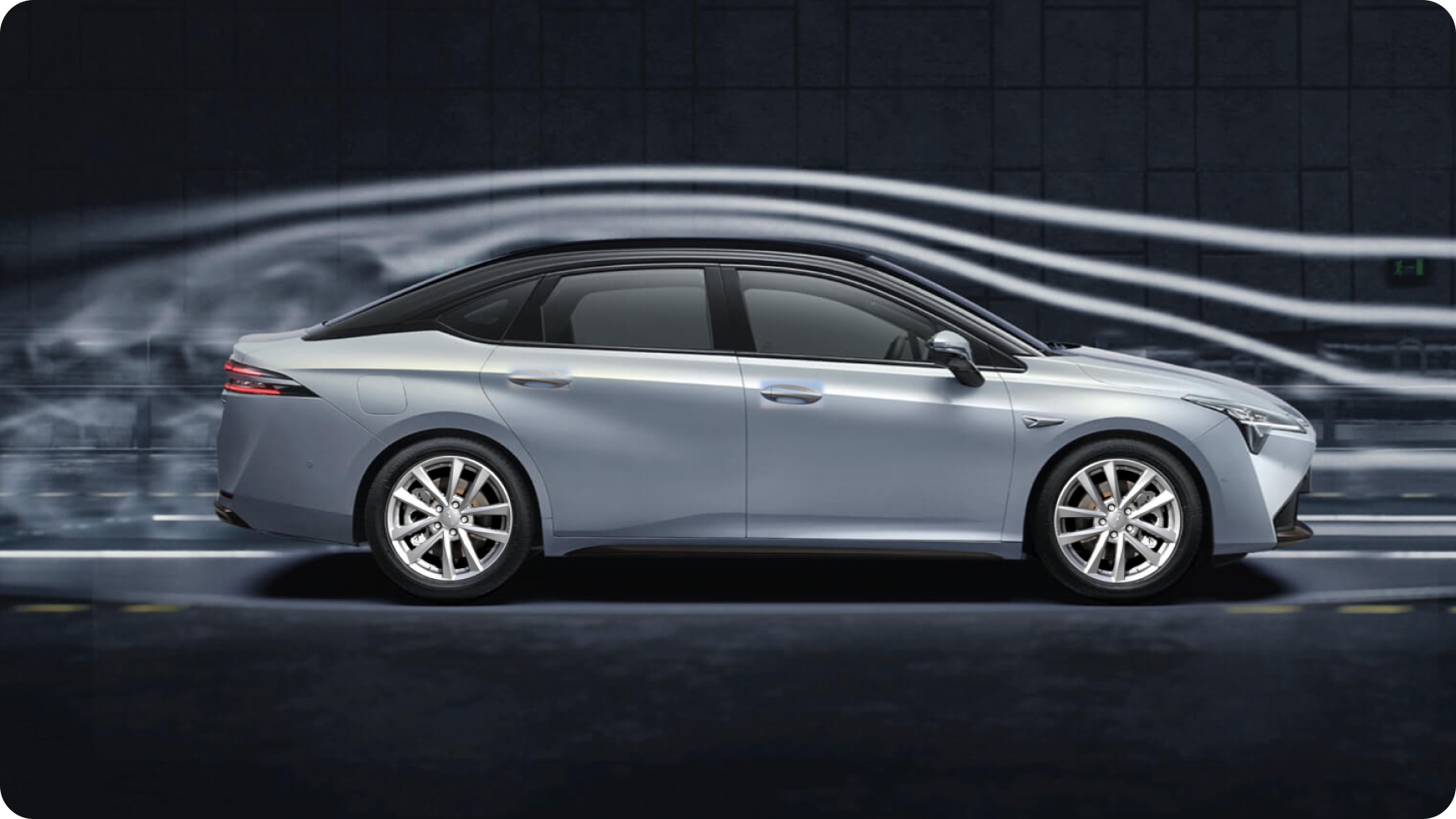
The AION ES is one of GAC's AION brand's best-selling electric models in the Hong Kong market. It prioritizes practicality with clear pricing, balancing daily commuting costs with the policy advantages of new energy vehicles. Its relatively affordable price makes the AION ES a top choice for first-time buyers, those switching to electric vehicles, or consumers exploring different payment options.
.jpeg)
However, even for the same vehicle model, choosing between "cash payment," "financing," or P-Loan can result in significant differences in actual capital commitment, total cost, and future flexibility for resale or trade-in.
Below, we compare the practical implications of each payment method using the AION ES's official price of HKD 131,300 as a benchmark.
- Capital Commitment
- Cash Payment: Requires a lump sum payment of over HKD 131,300, resulting in the highest capital commitment.
- Installment Loan: After paying the down payment, installments are made over time, preserving some cash flow. (Specific down payment and installment terms require consultation with a lending institution at . If the lender requires a 20% down payment, approximately HKD 26,260 would be needed to drive home an AION ES!)
- P-Loan: The bank pays the vehicle price directly in cash, but repayment is made in installments, offering the highest overall liquidity.
- Costs and Interest Expenses
- Cash Payment: No interest expenses, but opportunity costs must be considered.
- Financing/P-Loan: Involves interest and handling fees; depends on the APR.
- Resale, Title Transfer, and Vehicle Replacement Flexibility
- Cash Payment: Highest flexibility; sell or replace vehicle at any time.
- Installment Loan: Restricted until loan is paid off; resale requires loan settlement first.
- P-Loan: Unsecured financing allows easier processing and greater flexibility for future vehicle plans.
Summary
Choosing the most suitable payment method? In reality, no single payment method is absolutely "best."For buyers with ample funds who want immediate, full ownership of the vehicle, cash payment is straightforward and direct. For those seeking lower entry barriers and smoother expense distribution, dealership financing remains the mainstream choice. For individuals prioritizing cash flow management while maintaining vehicle registration flexibility, P-Loan may better align with practical needs.
The most important thing isn't which payment method you choose, but rather clearly understanding the costs, limitations, and risks behind each payment structure before purchasing a vehicle. Then, make your decision based on your financial situation, intended vehicle usage period, and future replacement plans.Take entry-to-mid-range electric vehicles like the AION ES as an example: with the right payment strategy, it's entirely possible to achieve a more balanced outcome between the actual driving experience and financial burden.
We also welcome you to visit GAC showrooms for a test drive of the AION ES and to learn more about purchasing options!
Disclaimer
This content is provided for general informational and educational purposes only, aiming to help readers understand common payment methods and their basic operational principles when purchasing a vehicle in Hong Kong. It does not constitute any form of loan advice, investment advice, financial opinion, or recommendation.The payment arrangements, interest rates, down payment ratios, and example amounts mentioned herein are conceptual illustrations only. Actual terms may vary depending on individual dealerships, banks, financial institutions, market conditions, and the applicant's personal credit status.
Readers should independently verify the latest and official terms with relevant dealerships, banks, or licensed financial institutions before making any vehicle purchase, loan, or financial decisions, and conduct a prudent assessment based on their own financial circumstances. This article does not intend to guide or encourage readers to apply for any specific loan product, and GAC shall not be liable for any decisions or consequences arising from reliance on the content herein.