



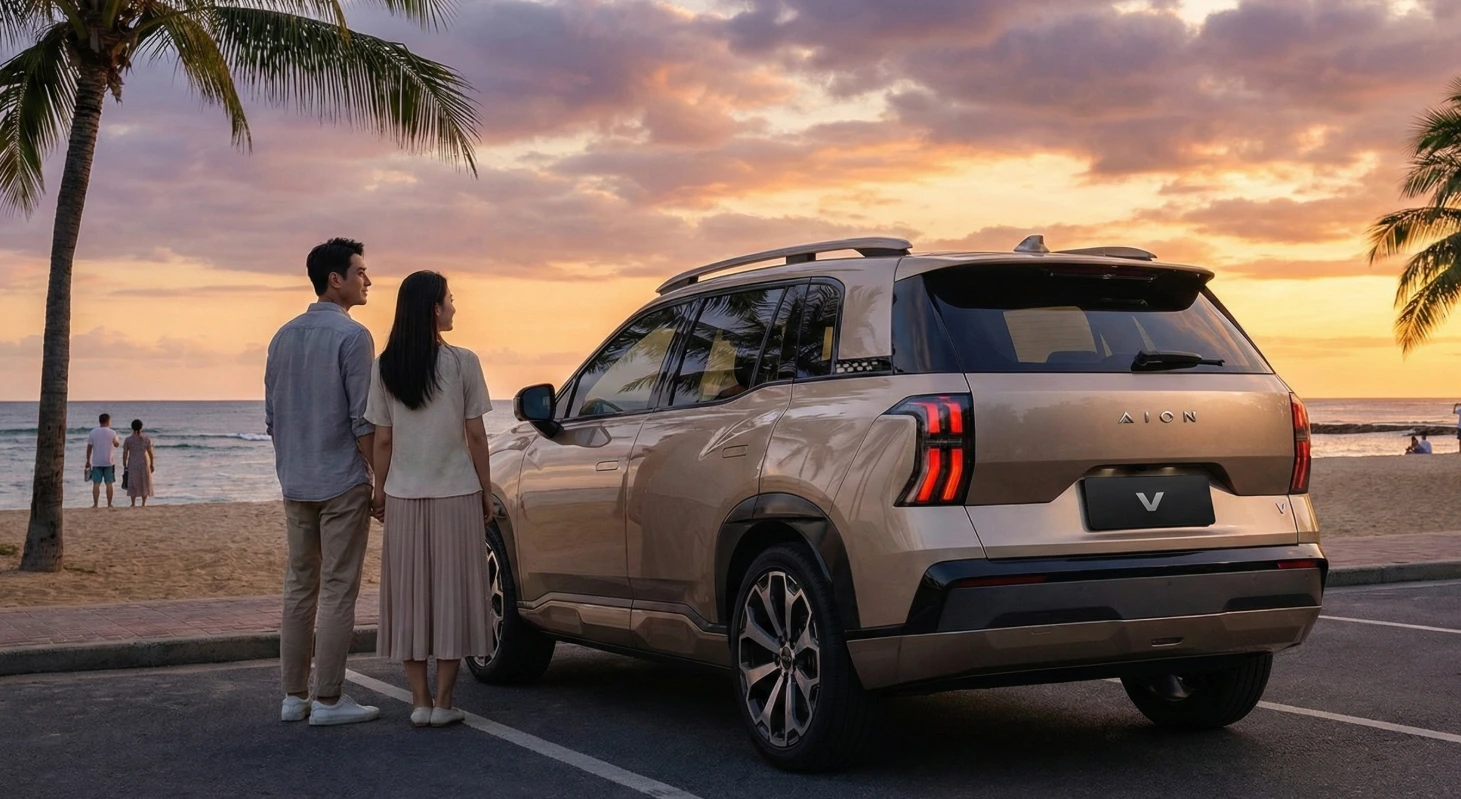
Life in Hong Kong moves fast and comes with high levels of stress. On holidays, driving an electric vehicle to unwind—whether it’s a local trip for hiking and sea views or a cross-border slow travel getaway to the Greater Bay Area for food and leisure—what matters most is good planning, proper rest, and worry-free charging, so you can truly recharge both your body and mind.
Below we've compiled key points for Hong Kong EV owners planning leisure wellness trips, ensuring your outings are smooth and chill!
Itinerary, rest stops, and battery management—get these three right, and you're halfway to a successful trip.
1. Proper itinerary planning eliminates range anxiety
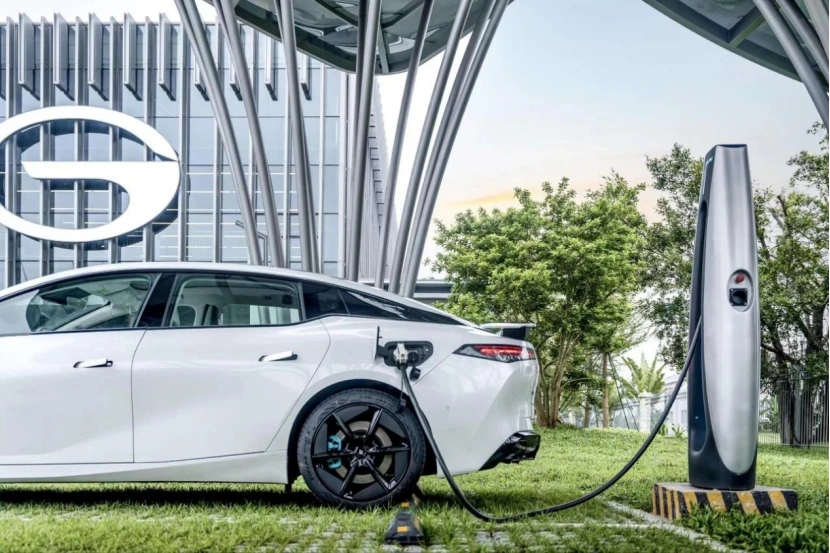
Hong Kong traffic jams are common, and some charging spots may be out of order or occupied. Plus, power consumption might exceed expectations. So, it's best to plan a recharge and rest stop when your battery hits around 20–30%.
- Plan ahead: Locate charging stations along your route to avoid panic and rushing.
- Turn charging into downtime: For instance, charge near attractions while enjoying meals, walks, or photo sessions to truly unwind.
2. Utilize your vehicle's wellness features
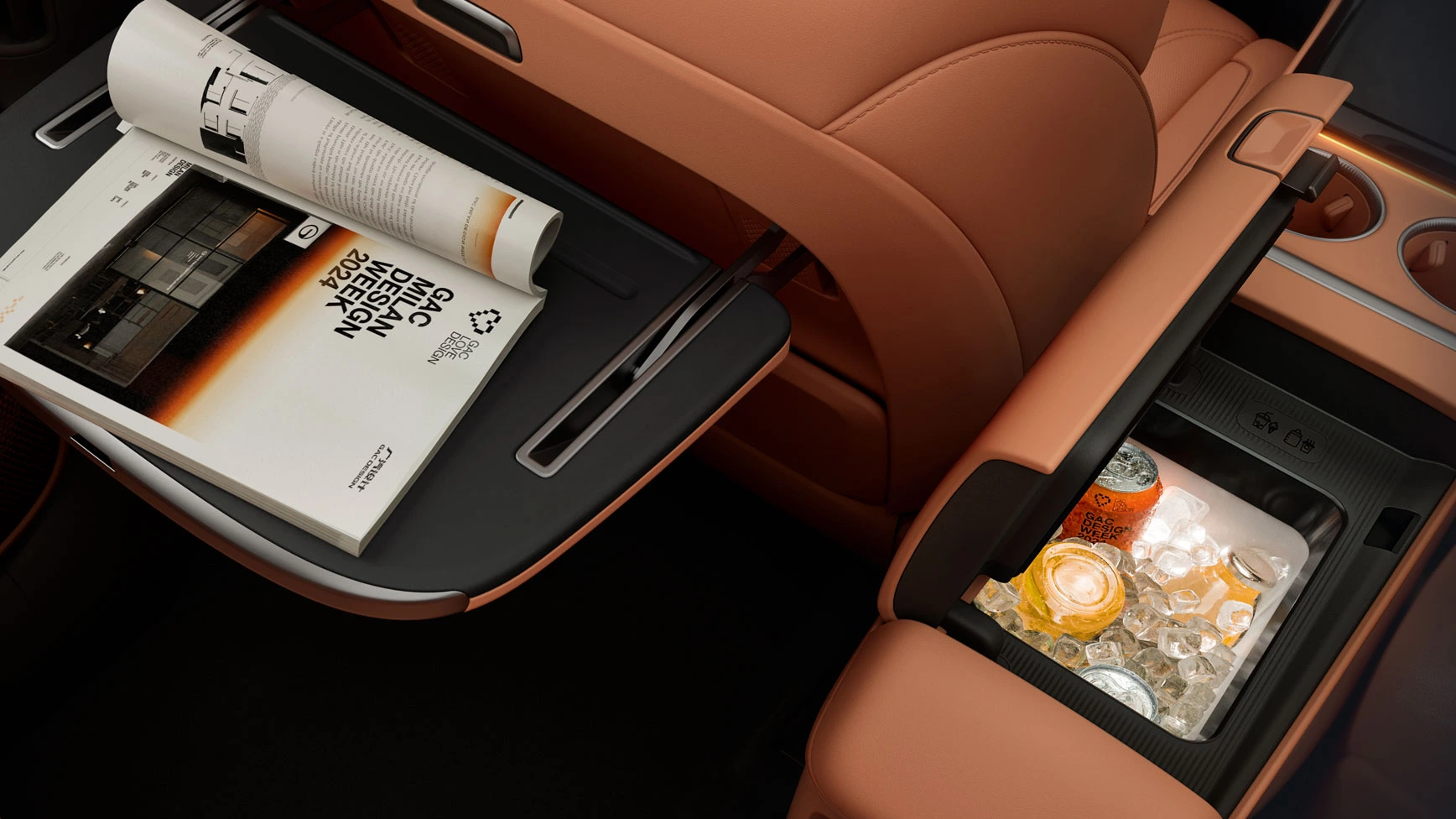
New electric vehicles are adding more and more wellness features to enhance comfort. If your car, like the AION V, comes with zero-gravity seats, massage modes, comfortable rest or camping scene modes, and even a hot-and-cold storage compartment on the Premium version, these features can be incredibly helpful during your journey.
Massage + Zero-G Rest: When traffic jams leave you exhausted, the AION V's massage seats help relax your muscles; the zero-gravity recline position allows your body to unwind naturally.
Smart Scenes: Your AION V can switch to nap mode with one touch—dim the lights, adjust the AC, and play some light music for a relaxing break!
Cooling/Heating Storage: The built-in mini-fridge keeps drinks ice-cold and fruit fresh, doubling your comfort throughout the journey!
3. "Zen-like" Driving: Slowing Down Actually Speeds You Up
A wellness journey isn't about rushing—it's about savoring the experience. Drive gently, take in the scenery at a leisurely pace!
- Steady driving: Minimize sudden acceleration and deceleration for passenger comfort and stable energy consumption.
- Utilize Energy Recovery (e.g., I-PEDAL): Control with one foot—deceleration recharges the battery, making long trips more worry-free.
- Fatigue monitoring alerts: If your vehicle has an intelligent driving system, it will automatically prompt you to take a break, ensuring you're refreshed and ready to appreciate the next scenic stop!
Choosing your destination? Hong Kong or Greater Bay Area? What to consider?
1. Hong Kong Local Travel: First, check charging station locations
For local trips, the most practical approach is ensuring charging spots are easily accessible.
- Use the "EV Charging Made Easy" App: Developed by the Environmental Protection Department, this official app lets owners check real-time status, locations, and availability of charging stations.
- Use your car's built-in navigation: Most electric vehicles come with integrated charging station search functions, so you'll never worry about finding one wherever you go.
2. Cross-Border Travel to the Greater Bay Area: Essential Preparations
The "Hong Kong Vehicles Northbound" policy has made cross-border self-driving increasingly popular, but thorough preparation is essential!
- Insurance Requirements
You must purchase cross-border auto insurance valid in both Hong Kong and mainland China, including compulsory traffic insurance.
- Driving Habit Differences
Mainland China drives on the left, Hong Kong on the right—traffic flows differ.
Mainland expressways generally have a speed limit of 120 km/h, while Hong Kong's is only 110 km/h—adjust accordingly.
- Different Charging Station Standards
Before driving cross-border, one of the most easily overlooked yet crucial considerations is that charging station plugs and standards are not entirely compatible.
- Hong Kong predominantly uses British Standard (Type 2 / CCS2): Most Hong Kong charging stations and EVs use Type 2 or CCS2, which is widely adopted locally.
- Mainland China primarily uses the national standard (GB/T): When traveling to cities like Shenzhen, Guangzhou, or Zhuhai, you'll find that most public charging stations use the GB/T standard, including:
- AC Charging: GB/T AC
- DC Fast Charging: GB/T DC
Despite the different standards, the good news is: many cross-border-ready EVs now offer compatibility! Some newer models, like the AION series, natively support mainland China's GB/T fast charging. After crossing the border, they can directly use most GB/T charging stations without needing an adapter.
If your vehicle doesn't support GB/T, you'll need to be extra careful! Some Hong Kong-registered EVs may encounter issues in mainland China, such as:
- Incompatible plugs
- Limited availability of CCS2 chargers
- Relying more on slow charging at hotels or shopping malls
Therefore, it's essential to verify beforehand whether your vehicle supports GB/T (especially fast charging). If not, prepare a compliant charging adapter.
In summary
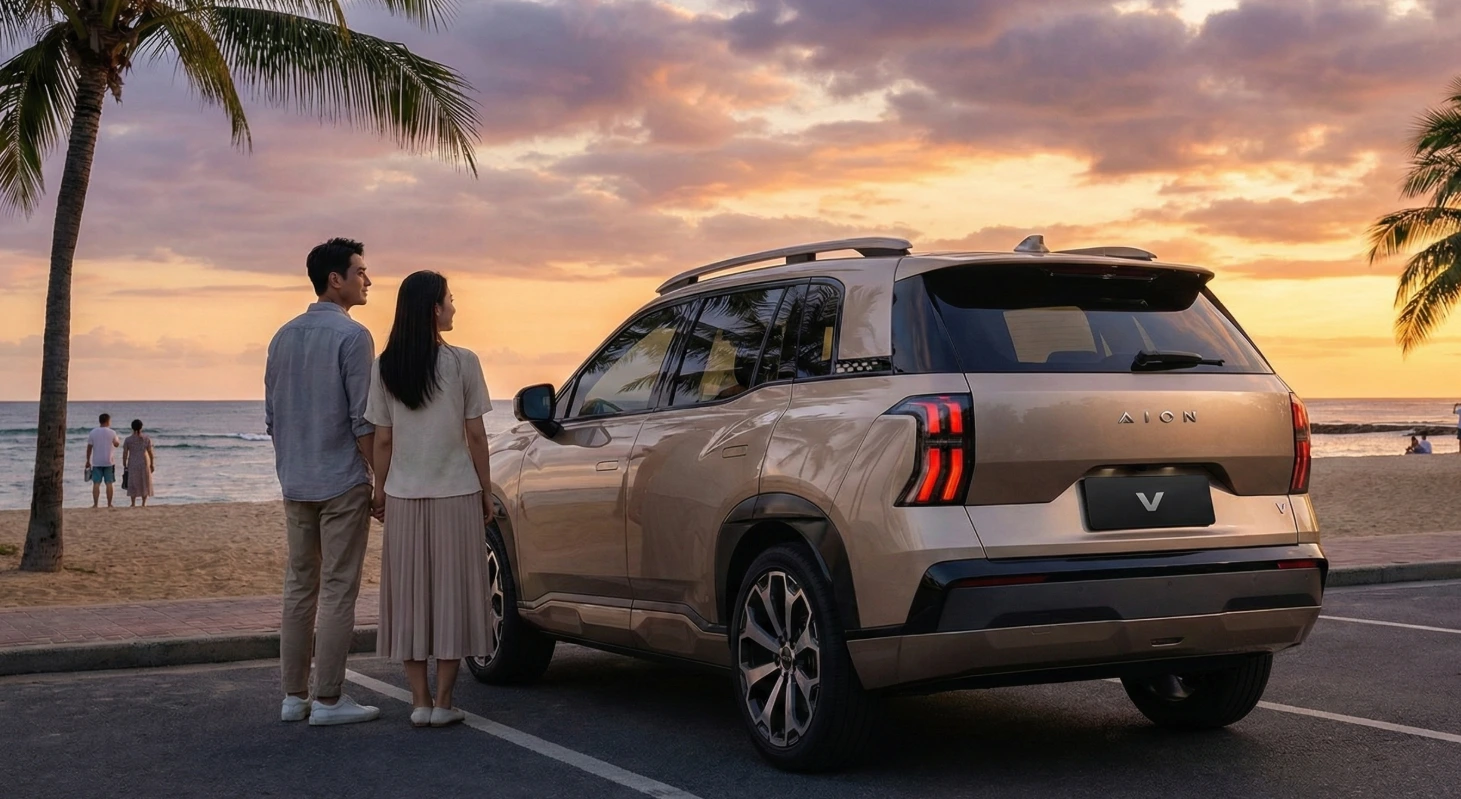
A leisurely road trip isn't difficult, but it requires "comfortable driving, worry-free charging, and carefree enjoyment." For Hong Kong EV owners, a truly rejuvenating journey isn't about how far you go, but about your car, your pace, and your mindset all relaxing in sync. Plan charging stops in advance, utilize your vehicle's comfort features, maintain a relaxed driving style, and choose suitable destinations—whether staying local in Hong Kong or exploring the Greater Bay Area at a leisurely pace—to ensure an enjoyable journey.
If you're seeking an electric vehicle truly suited for leisure and wellness, explore the comfort-focused design of the AION series on GAC's official website. You can also inquire about test drives at and experience firsthand the authentic feeling of "relaxing even while driving" at!