


An icy road can look almost normal until the vehicle suddenly takes longer to stop, the steering feels light or the tires lose grip in a gentle turn. These moments are unsettling because they often happen before a driver has time to identify the surface as ice. Familiar roads can become difficult when temperatures fall, snow melts and refreezes or moisture settles on cold pavement.
Safe ice driving is not about finding one special trick or relying on a particular drivetrain. It is about making good decisions before setting off, creating more time and space on the road, and keeping every control input smooth. The same principles apply across different regions, although local weather warnings, road rules, tire requirements and vehicle instructions should always take priority.
This guide explains why ice is difficult to see and control, what to check before a winter journey, how to brake and turn, what to do if the vehicle starts to skid and when the safest choice is to stop driving. The goal is simple: help drivers replace sudden reactions with calm, deliberate preparation.
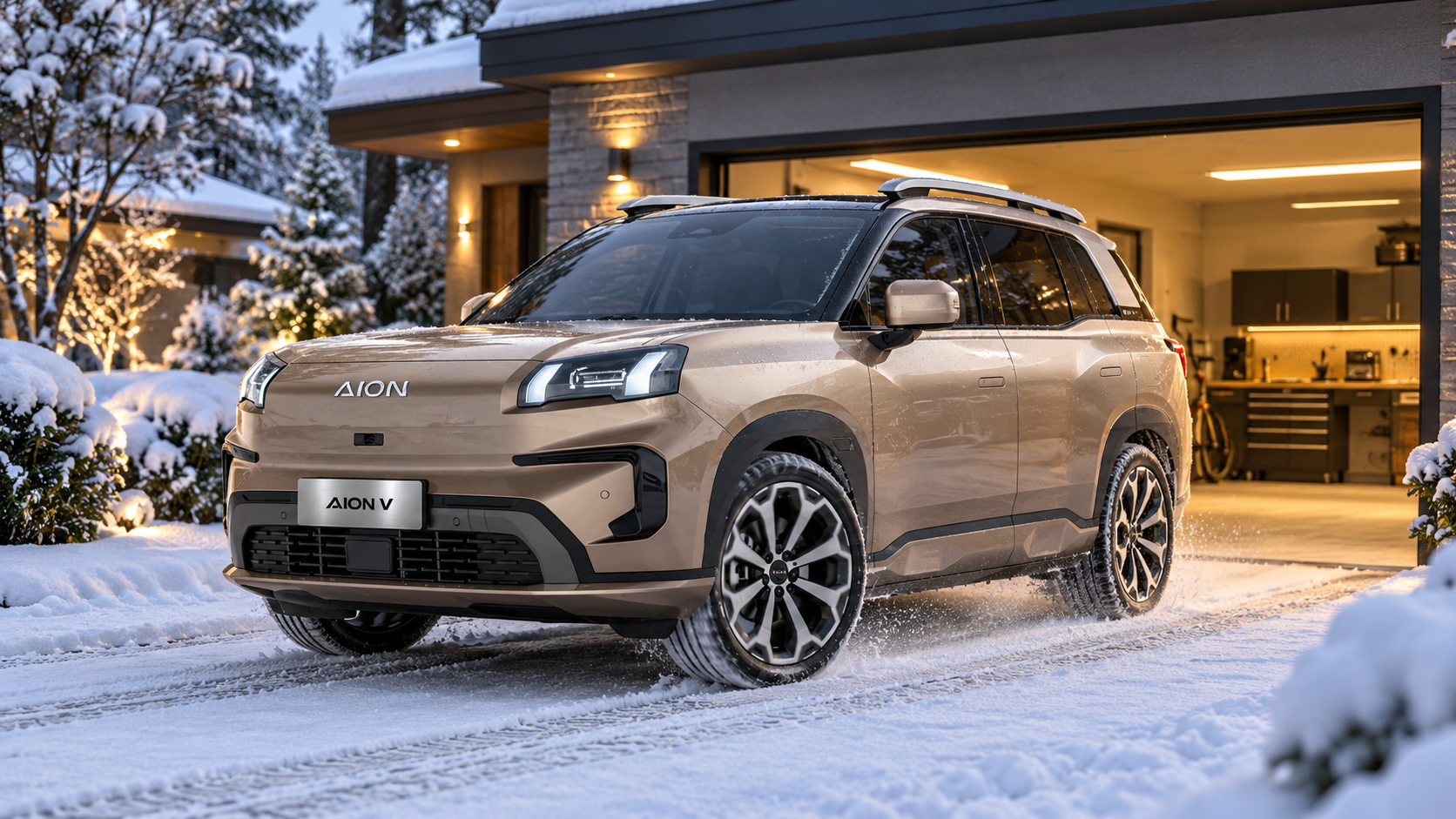
Why Ice Makes Winter Driving More Difficult?
- Ice Can Hide in Plain Sight
Black ice is a thin layer of frozen moisture that can make the road look merely wet. It is especially difficult to spot at night, in low light or when the surrounding pavement is clear. Bridges, overpasses, shaded sections, curves and intersections can freeze before other road surfaces because they lose heat more quickly or receive less direct sunlight. A road that looked safe a few minutes earlier can therefore contain isolated patches with much less grip.
- Traction Affects Acceleration Braking and Steering
Tires need contact with the road to accelerate, change direction and stop. Ice reduces the grip available for all three tasks. A vehicle with all-wheel drive or four-wheel drive may be able to move away from a slippery start more confidently, but that does not create extra traction when the driver brakes or turns. The tires remain the main connection between the vehicle and the road, and no electronic system can remove the basic limits of a frozen surface.
- Confidence Does Not Restore Grip
Many winter incidents begin when a driver carries dry-road habits onto a surface that cannot support them. A sharp steering input, a sudden lane change or a late brake application may be manageable on dry pavement but can trigger a slide on ice. There is no universal safe speed for every icy road. Drivers should reduce speed according to visibility, traffic, temperature, slope and the amount of grip they can reasonably expect.
|
Black Ice Can Be Hard to See A road may look wet rather than frozen, especially at night or under street lighting. Treat shiny dark patches, bridges, shaded bends and untreated intersections as possible ice. Slow down before reaching them and leave enough space to react. |
Prepare Before You Drive on Ice
- Check the Tires and Their Suitability
Inspect tire condition, tread and pressure before leaving. Tires should be suitable for the season and matched according to the vehicle manufacturer’s instructions. In regions that experience sustained cold, snow or ice, winter tires may provide more appropriate grip than standard tires. Approved chains or other traction devices may also be required or useful in some conditions, but their use depends on local rules, road conditions and the vehicle manual.
- Clear the Vehicle and Restore Visibility
Remove ice and snow from every window, mirror, light, sensor and the roof before moving. A small clear patch in the windscreen is not enough to see hazards early, and loose snow can fall onto the road or another vehicle. Check the wipers, washer fluid, defrosters and exterior lights as well. Good visibility is part of traction management because it gives the driver more time to identify a shiny surface, a stopped vehicle or a change in road texture.
- Plan the Journey Around Conditions
Check weather warnings and road restrictions, choose a route that avoids unnecessary steep sections where possible and allow extra time so there is no pressure to hurry. Make sure the fuel level or battery charge is sufficient for delays, and carry a charged phone, warm clothing, an ice scraper and other locally appropriate emergency supplies. If the trip is not essential and conditions are deteriorating, postponing it is often the safest form of winter driving preparedness.
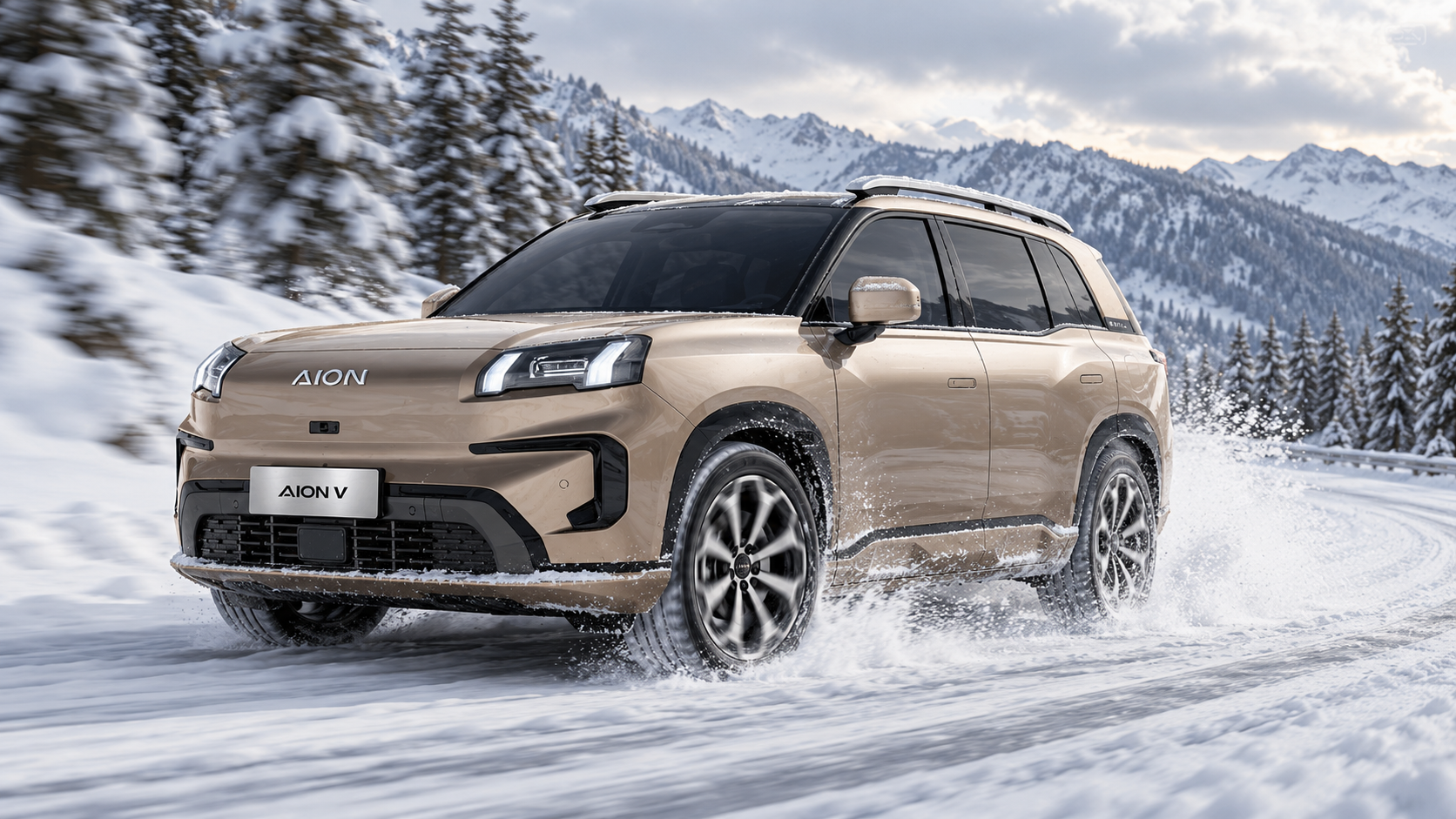
How to Drive on Icy Roads?
- Slow Down Before the Icy Section
Reduce speed before reaching a bridge, bend, descent or visibly shiny patch. Braking while already turning or while crossing an unexpected icy section leaves less room to recover. A lower speed gives the tires more time to respond and gives the driver more options if the surface changes again. Do not use a fixed number as a substitute for judgement; the appropriate speed may be much lower when visibility, slope or traffic makes the risk higher.
- Use Smooth Inputs
Apply the accelerator, brake and steering gradually. Keep the steering movement small, avoid abrupt throttle changes and do not make sudden lane changes or unnecessary overtaking manoeuvres. Look well ahead so that the vehicle can be slowed before a bend or queue rather than at the last moment. On a slippery road, smoothness is not a comfort preference; it is how the driver avoids asking the tires for more grip than the surface can provide.
- Leave More Space Than Usual
Following distance should be much greater than it would be on dry pavement. A vehicle in front may stop or slide unexpectedly, and the distance needed to stop on ice can change with temperature, tire condition and road texture. Leave room for a controlled response instead of planning to brake at the last possible moment. If another driver follows closely, resist the temptation to speed up; allow that vehicle to pass only when it can do so safely.
- Treat Driver Assistance as Support
Cruise control can reduce a driver’s ability to respond smoothly when traction changes, so it is better avoided on icy roads unless the vehicle manual provides specific guidance for the system. Driver-assistance features can support awareness, but they do not replace observation or judgement. Keep attention on the road, maintain a safe speed and be ready to take control when markings, sensors or road conditions are unclear.
Braking Turning and Recovering Grip
- Brake in a Straight Line Where Possible
Do most of the braking before a turn and keep the vehicle as straight as possible while slowing. If the anti-lock braking system activates, the pedal may pulse or vibrate. Maintain firm, steady pressure and steer toward the intended safe path rather than pumping the pedal. If the vehicle manual gives different instructions for a specific system, follow those instructions. The key principle is to keep enough control to steer around a hazard while reducing speed.
- Slow Before Curves and Descents
Approach a bend at a speed that leaves room for a gentle steering movement. Avoid heavy braking or sudden acceleration while turning, because the tires are already using part of their limited grip to change direction. On a descent, select a suitable lower gear or use engine braking only as supported by the vehicle manual. The aim is to reduce the need for a sudden brake application, not to force the wheels to slow abruptly.
- Avoid Spinning the Wheels on a Hill
If traction is limited on an incline, use gentle accelerator input and avoid repeatedly spinning the wheels. Wheelspin can polish snow or ice and make the surface even more slippery. Where possible, avoid stopping halfway up an icy slope. If the vehicle cannot continue safely, look for a safe place to stop, turn around or wait for assistance without blocking moving traffic.
What to Do If the Vehicle Starts to Skid?
- Stay Calm and Remove Abrupt Inputs
A skid can make the vehicle feel as though it is moving faster than it really is, which can cause overcorrection. Ease off sudden accelerator or steering inputs, look toward the safe path and make small corrections. Avoid staring at the obstacle or roadside area you are trying to avoid. The vehicle may need a moment to regain grip, and a calm response gives the tires the best chance to do so.
- Respond to Front or Rear Tire Slip
If the front tires lose grip and the vehicle continues more straight than the steering angle suggests, ease off the accelerator and reduce the steering angle slightly. Give the tires time to regain grip before steering again. If the rear of the vehicle begins to step out, look in the direction you want to travel and use a small, controlled steering correction in line with trained skid-recovery technique. Avoid sharp countersteering or sudden braking, which can make the slide harder to control.
- Know When to Stop and Get Help
If the vehicle becomes stuck, a collision occurs or the road no longer feels manageable, move as far from moving traffic as safely possible and use hazard lights where appropriate. Contact local emergency or roadside services and do not stand in a live lane. If snow may be blocking the exhaust, avoid running the engine in an enclosed or poorly ventilated place. Stopping early is a responsible decision when the available grip, visibility or support is no longer sufficient.
FAQs
- Should I Drive on Ice If the Road Is Still Open?
An open road is not necessarily a safe road. If travel is not essential, consider waiting for conditions to improve. If the journey must go ahead, check local warnings and restrictions, prepare the vehicle carefully and be ready to turn back or stop at a safe location when conditions become worse.
- Are Winter Tires More Important Than All Wheel Drive?
They serve different purposes, but suitable tires are fundamental because they create the available contact with the road. All-wheel drive can help with traction when moving away, while it cannot guarantee shorter braking distances or better cornering on ice. Drivers should choose tires appropriate for their climate and follow the vehicle manual and local requirements.
- How Much Following Distance Should I Leave?
There is no single distance that works for every icy road. Leave substantially more room than normal and increase it further when visibility is poor, the road is downhill or traffic is unpredictable. Use the extra space to brake progressively rather than relying on an emergency stop.
- What Should I Do When the ABS Activates?
Keep firm, steady pressure on the brake pedal and continue to steer toward the safest available path. Pulsing or vibration can be normal during ABS operation. Do not pump the pedal unless the vehicle manual specifically instructs you to do so, and remember that ABS helps maintain steering control but cannot create traction that the icy surface does not provide.
- When Should I Stop the Trip?
Stop when road authorities advise against travel, visibility becomes unsafe, the vehicle is not properly prepared or the tires repeatedly lose grip. Choose a safe stopping place away from live traffic. Waiting, rerouting or asking for assistance is safer than continuing simply because the destination is close.
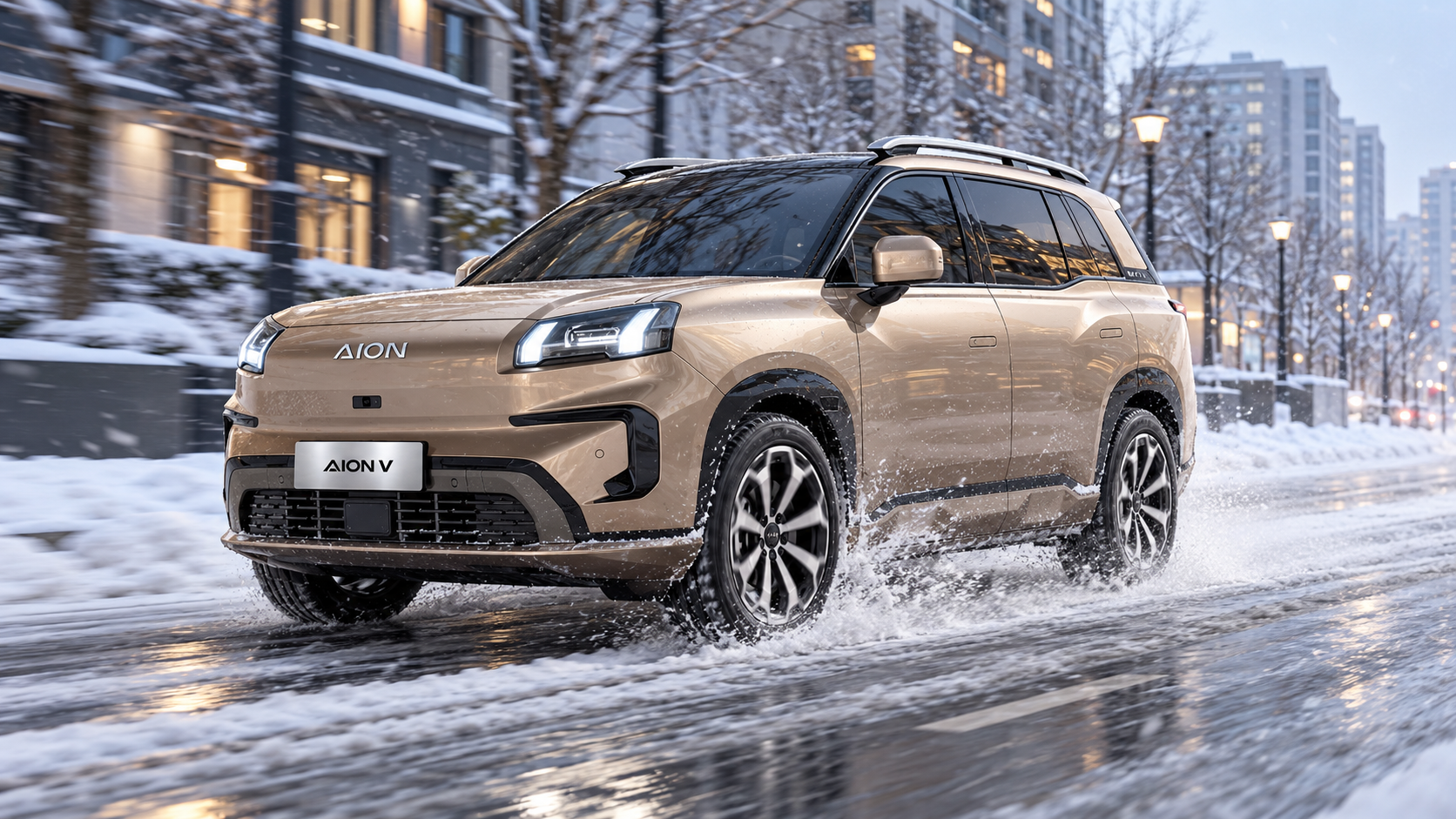
Conclusion
Safe winter driving on ice starts before the vehicle moves. Check the tires, clear the vehicle, plan for delays and decide whether the journey is necessary. On the road, reduce speed early, leave generous space and make every steering, braking and accelerator input smooth. If a skid begins, avoid panic and overcorrection; if conditions exceed the available grip, stop and get help.
GAC will continue to provide more valuable automotive driving knowledge, so readers can stay tuned for future guidance on safer and more informed journeys.