


Have you ever plugged in your electric vehicle on a cold morning and noticed that the estimated charging time is suddenly much longer than usual? The charging power may start lower, the battery percentage may rise more slowly, or a fast-charging stop may not feel as fast as it did in warmer weather.
It is natural to wonder whether the charger is faulty, whether the battery has a problem, or whether winter simply changes the way an EV behaves. This question matters because cold weather can affect both charging time and trip planning, especially when drivers are relying on a rapid charger during a longer journey.
This article explains why winter charging can slow down, how to tell a normal cold-weather limitation from a problem, and what drivers can do before and during charging. It also covers practical ways to plan winter trips with more confidence.
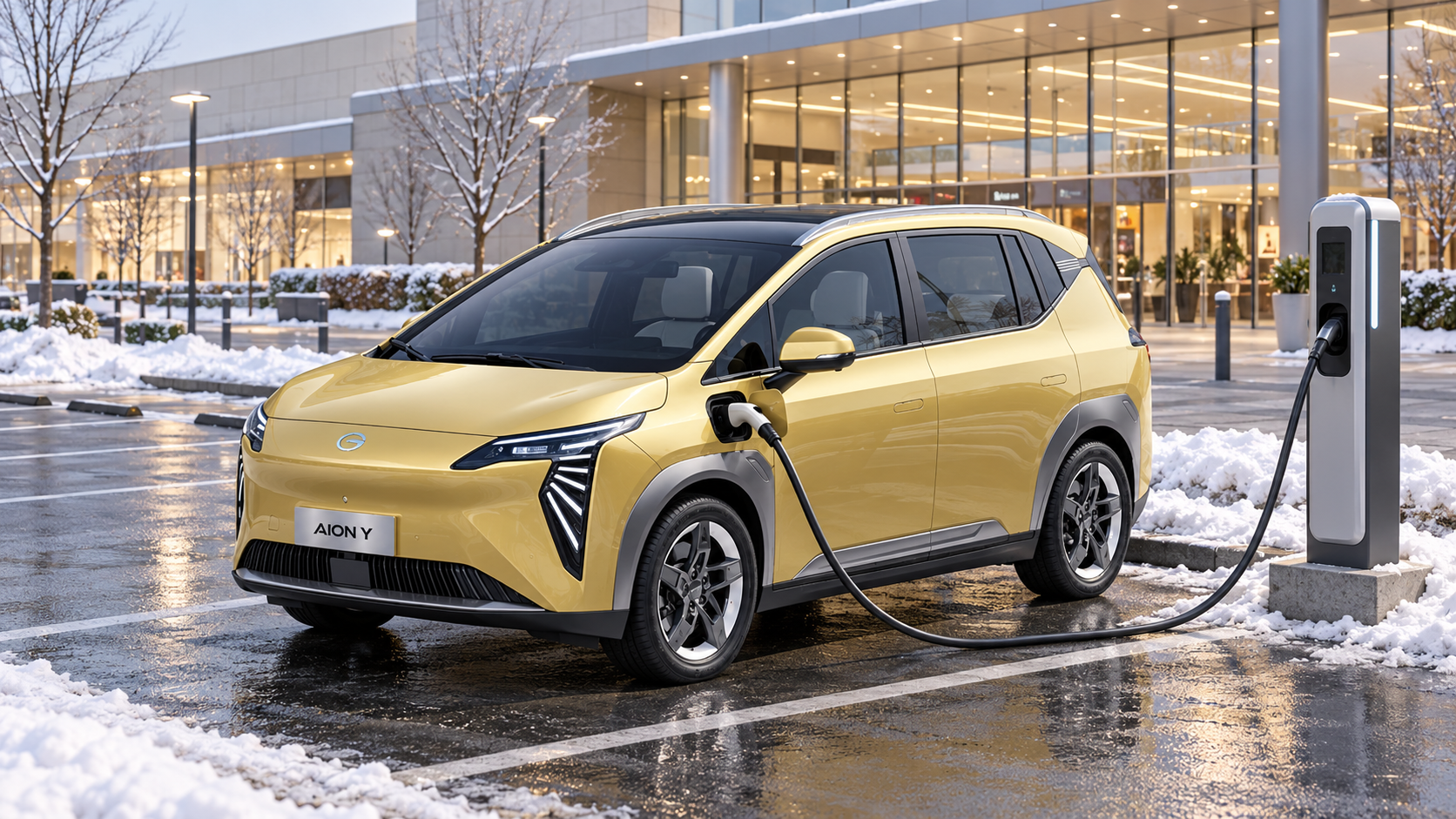
Why Winter Charging Feels Different
An EV battery stores and releases energy through electrochemical reactions. When the battery is cold, those reactions happen less easily, and the battery's internal resistance increases. As a result, the vehicle may not accept energy at the same rate it would when the battery is within its preferred temperature range.
The battery management system monitors temperature, state of charge and cell conditions while the vehicle is connected. If the pack is too cold, it can reduce charging current to protect the cells. This limit is particularly noticeable during DC fast charging, where the vehicle and charger are capable of transferring energy quickly but the battery still needs suitable conditions to accept that power.
Battery preconditioning can help, but warming the pack also uses energy. Some vehicles begin preparing the battery when a fast charger is selected in the navigation system, while others offer a scheduled departure or manual preconditioning function. The exact control and timing vary by model.
- How long the vehicle has been parked in low temperatures
- The battery's starting state of charge and charging curve
- Whether the vehicle is using AC charging or DC fast charging
- The charger output, battery chemistry and surrounding conditions
|
The Main Point About Winter Charging A temporary reduction in charging power is often the battery protection system doing its job. The useful question is whether charging improves as the battery warms and whether the vehicle reports an error. |
What to Do Before and During Winter Charging?
The most useful winter habit is to prepare the battery before a planned charging stop. If the vehicle supports preconditioning, use it according to the owner's manual. Preconditioning while the vehicle is connected to power can reduce the amount of energy taken from the battery before a journey.
- Charge soon after driving when the battery is warmer, rather than immediately after a long cold soak
- Use scheduled departure or navigation-based battery preparation when the vehicle provides it
- Allow extra time for the initial warm-up period, especially before DC fast charging
- Keep the charging connector clean and dry, and use a charger suitable for the vehicle
- Do not use unsafe extension cords, improvised heaters or methods that conflict with the owner's manual
If the vehicle has been parked outside in freezing conditions, starting the session slowly is not necessarily a reason to disconnect and move immediately. Let the vehicle manage the battery, monitor the power shown on the display, and give the pack time to reach a more suitable temperature.
How to Plan Winter Trips and Charging Time?
Winter planning should account for both slower charging and higher energy use. Cabin heating, cold tyres, wet roads, wind and lower temperatures can all affect the energy needed for a journey. The result is that a driver may need to charge more often or stay longer at a charging point than in mild weather.
- Build a time and range buffer instead of planning around the vehicle's peak charging figure
- Use the live charging display and route estimate to guide decisions during the trip
- Choose dependable charging locations and check availability before travelling
- Consider sheltered parking where practical, while following local safety requirements
- Use overnight AC charging for routine preparation and reserve DC fast charging for journeys that require it
There is no single winter charging time that applies to every EV. Battery temperature, state of charge, battery design, charger output and software all matter. Planning with the vehicle's live information is more reliable than assuming that a published peak power figure will be maintained throughout a session.
Conclusion
When an EV charges slowly in winter, the main reason is often the battery's low temperature. The vehicle may limit charging power until the pack warms because controlled charging protects the battery. That temporary limitation is different from a persistent fault, especially when the charging rate improves after driving or preconditioning.
Drivers can make winter charging easier by preparing the battery when supported, allowing extra time, monitoring the live charging rate and planning a sensible range buffer. If charging remains unusually slow after the battery is warm, or if warning messages and connector problems appear, the vehicle should be checked by qualified personnel.
GAC owners with questions about charging, battery performance or any other vehicle matter can visit the corresponding regional dealer or store. GAC can provide friendly, professional service and help owners understand the appropriate next step.
FAQs
Can I charge an EV when the battery is below freezing?
Most EVs are designed to manage charging in cold conditions. The vehicle may reduce charging power or use energy to warm the battery first. Follow the owner's manual and do not try to bypass the vehicle's protection system.
Does battery preconditioning make winter charging quicker?
It can, when the vehicle supports it and the battery is prepared before the charging session. Preconditioning is most useful when it is scheduled or activated through the vehicle's approved controls, ideally while the vehicle is connected to power.
How long does an EV battery take to warm up before charging?
There is no universal time. It depends on the starting temperature, battery size, driving conditions, charging method and the vehicle's thermal-management system. The vehicle's charging display is the best guide for the current session.
Is slow winter charging harmful to the battery?
A temporary reduction in power is usually a protective response and is not, by itself, evidence of battery damage. Persistent slow charging in moderate conditions, repeated warnings or physical damage should be assessed by qualified service personnel.
What should I do if charging remains slow after the battery is warm?
Check the connector and charging display, try another reliable charger if possible, and review any warning message in the owner's manual. If the behaviour continues across chargers, contact an authorised dealer or qualified service centre.