



Australia’s long driving distances can make charging speed just as important as driving range. On an intercity trip, drivers need to know not only whether their electric vehicles can reach the next charging station, but also how long they may have to wait once they arrive.
Under such demand and phycological pressure, Australia’s charging network is expanding. By June 2025, the country had 1,324 public fast or ultra-fast charging sites with 4,138 charging plugs, according to the Australian Government’s National Electric Vehicle Strategy annual update.
Even so, charger availability, queues and charging time can still affect journeys through regional areas or along busy holiday routes. That is why fast EV charging attracts attention.
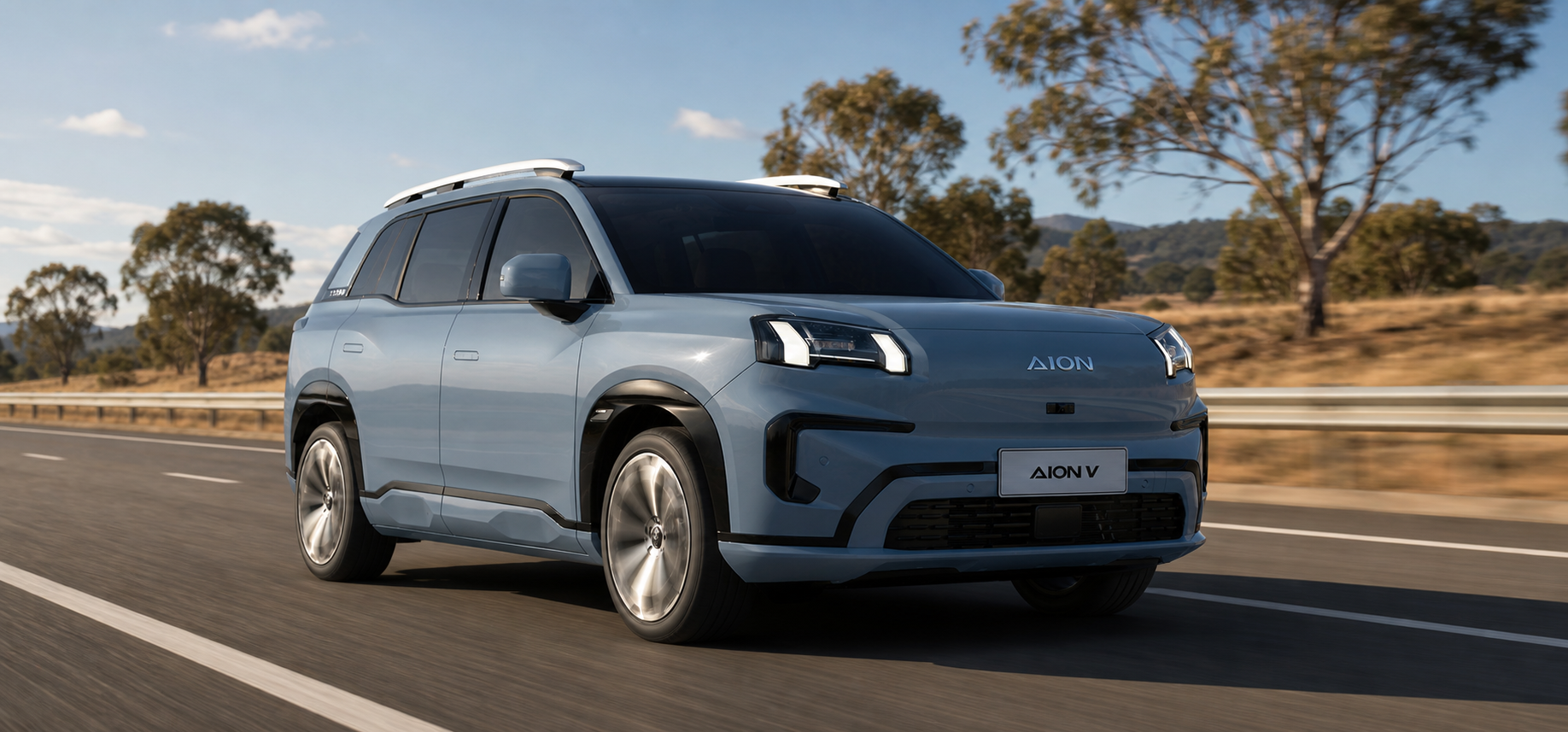
How Fast is EV Fast Charging?
EV charging speed varies considerably. In Australia, public DC fast chargers generally deliver between 25 kW and 350 kW, with chargers rated above 100 kW commonly described as ultra-fast. According to the Australian Government, many new EVs can charge from approximately 20% to 80% in 20 to 30 minutes when connected to a suitably powerful DC charger.
Why are Fast-Charging Times Measured from 10–80% or 0–80%?
Manufacturers commonly publish either a 10–80% or 0–80% charging time because these figures describe how quickly an EV can recover most of its usable energy.
A 0–80% figure provides a broad empty-to-road-ready measurement, while 10–80% more closely represents a typical public-charging stop. Drivers rarely reach a charger with a completely empty battery, as doing so would leave no safety margin.
Both measurements normally end at 80% because charging becomes progressively slower as the battery fills. An EV may accept high power at a low or moderate state of charge, but its battery management system reduces the charging rate closer to full capacity to manage heat and protect the battery.
What Determines an EV’s Charging Speed?
- Peak charging power is the highest rate an EV may reach under suitable conditions. It is not the speed maintained throughout the session. A vehicle that briefly reaches a large headline number but quickly reduces power may take longer than one that sustains a strong average rate. For this reason, the complete charging curve and the verified 10–80% time are generally more useful than peak power alone.
- Charging performance depends on cell chemistry, battery design, temperature control and the battery management system. These systems must balance speed with safety, durability and consistent operation. A battery that is too cold or too hot may charge more slowly. Preconditioning and effective thermal management can help bring it closer to an appropriate operating temperature before fast charging begins.
- The charger and vehicle negotiate the power delivered during every session. So, the compatibility is a must. A 350-kW charging station does not make a vehicle capable of accepting only 180 kW charge at 350 kW. Likewise, a vehicle capable of 180 kW cannot reach that rate when connected to a 50-kW charger.
How Can an EV Reach 80% in Less Than 30 Minutes?
The short answer is that a DC fast charger delivers a large amount of electrical energy directly to the battery in a relatively short period.
With home or public AC charging, electricity must first pass through the vehicle’s onboard charger, which limits how much power the vehicle can convert. A DC fast charger performs that conversion outside the car and supplies DC electricity directly to the battery.
This allows charging power to rise from the single-digit or low double-digit kilowatt levels typical of AC charging to more than 100 kW on a compatible vehicle and charger.
For example, moving a 75-kWh battery from 10% to 80% means adding approximately 52.5 kWh of energy. To complete that process in 30 minutes, or half an hour, the vehicle would need to maintain an average charging rate of roughly 105 kW across the session.
How Fast Charging Improves the EV Experience in Australia?
Fast charging is more than a headline specification. For Australian drivers, its real value lies in reducing reliance on lengthy charging stops and making both everyday travel and long-distance journeys easier to plan.
Less Waiting for Urban Drivers Using Public Chargers
Home charging is generally the most convenient way to own an EV, but it is not available to everyone. Drivers living in apartments, rental properties or homes without off-street parking may depend heavily on public charging stations.
For these users, an EV capable of charging from 0% to 80% in under 30 minutes can make a significant difference. Instead of leaving the vehicle connected for several hours, drivers can recover a useful amount of range while shopping, having lunch or completing other errands. Faster turnover may also reduce the time each vehicle occupies a charger, helping public infrastructure serve more drivers during busy periods.
However, the advertised charging time should still be treated as a best-case benchmark. The actual session will depend on charger availability, charging power, battery temperature and the vehicle’s state of charge when it arrives.
Shorter Charging Stops on Long-Distance Road Trips
Australia’s long distances make charging speed particularly important for drivers travelling between cities or through regional areas. On routes where charging locations are widely spaced, a slow charging session can add considerable time to the journey—especially if there is already a queue at the station.
A vehicle that can rapidly recover most of its usable range allows charging stops to fit more naturally around normal travel breaks. By the time the driver has used the bathroom, bought a coffee and stretched their legs, the vehicle may be ready for the next leg of the trip.
This does not necessarily make EV travel identical to refuelling a petrol car, but it can make journey times far more predictable. Drivers can plan stops around food and rest rather than allowing the vehicle’s charging requirements to dominate the entire itinerary.
Why Long Range and Fast Charging Matter Together?
Range and charging speed address different parts of the same concern. A long-range EV reduces how often the driver needs to stop, while fast charging reduces the time spent waiting when a stop becomes necessary. Focusing on only one of these qualities can therefore give an incomplete picture of the ownership experience.
A vehicle with excellent range but slow charging may perform well around town yet become inconvenient on extended journeys. Conversely, an EV with very fast charging but limited range may still require frequent stops, particularly on Australian highways where charging stations can be far apart.
The most practical combination is a battery that provides enough real-world range between chargers and a charging system that can recover substantial distance during a short break. Together, these capabilities give Australian drivers greater flexibility, improve trip predictability and reduce both range anxiety and charging anxiety.
How the AION V Turns Fast Charging into Real-World Value?
The value of fast charging becomes clearer when it is considered alongside driving range. AION V, GAC’s best electric SUV in the Australian market, combines a driving range of up to 510 km under WLTP testing with the ability to charge from 10% to 80% in approximately 24 minutes under suitable conditions. Supporting DC fast charging at up to 180 kW, it brings long range and rapid energy recovery together to meet the needs of both everyday driving and longer Australian journeys.
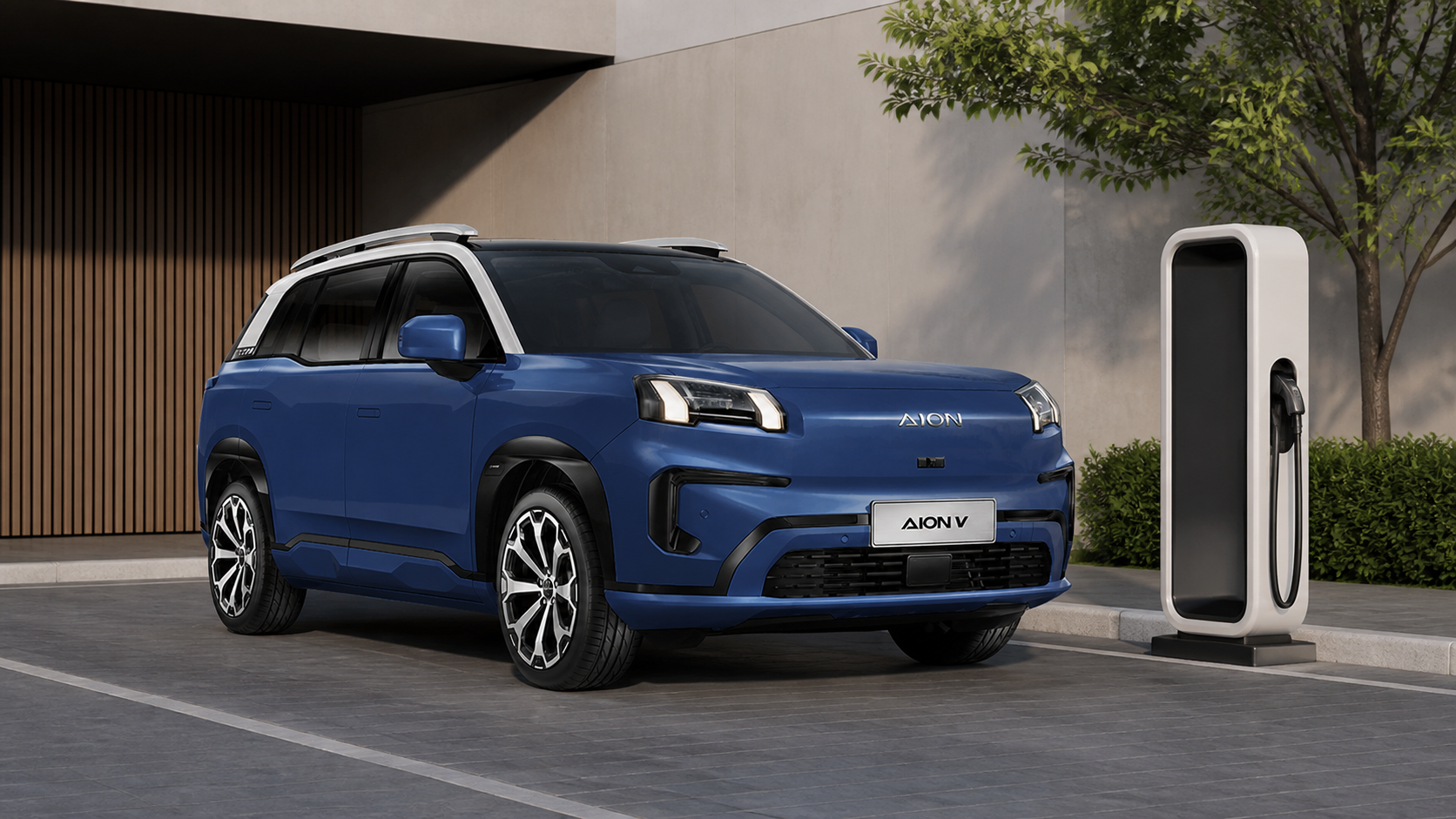
For urban drivers, especially those without reliable access to home charging, tired of waiting in lines, or with battery anxiety, the AION V’s fast-charging capability makes it easier to fit public charging into everyday routines. A short top-up can provide the energy needed for an unexpected airport run, longer commute or spontaneous weekend trip without requiring an overnight charge. On intercity journeys, its 510 km WLTP range and approximately 24-minute 10%–80% charging time mean fewer stops and shorter waits, making long-distance travel more predictable.
The Technology Behind the Charging Experience: GAC Magazine Battery
Reaching a high peak power is only one part of fast charging. The vehicle must also manage how much power the battery can safely accept as its temperature and state of charge change throughout the session.
The AION V uses GAC’s second-generation Magazine Battery, an LFP battery pack supported by battery management, thermal management and charging control technologies. These systems work together to monitor battery conditions and regulate the charging process.
In practical terms, GAC’s approach is intended to balance charging speed with battery safety, efficiency and long-term durability rather than pursuing a high peak figure in isolation.
Conclusion
A genuinely practical EV must do two things well: travel far enough to reduce unnecessary charging stops and recover useful range quickly when charging is required. Looking only at battery size or peak charging power misses how these capabilities work together in everyday driving.
With a claimed 510 km WLTP range and the ability to charge from 10% to 80% in approximately 24 minutes under suitable conditions, the AION V brings long-distance capability and rapid energy recovery into the same package. For Australian drivers managing daily commutes, unexpected top-ups and intercity journeys, that combination means less time planning around the battery—and more time getting on with the trip.
Interetsed? Get a free test drive today!