



Australian drivers ask a lot from an SUV. One vehicle may need to handle weekday commuting, school runs, supermarket car parks, motorway trips and weekends away. That mix explains why front-wheel-drive SUVs remain relevant: many buyers spend most of their time on sealed roads and need practical space, predictable road manners and sensible running costs more often than extra driven wheels.
FWD is sometimes overlooked when shoppers focus on AWD or 4WD badges. Yet a drivetrain should be chosen for the roads a vehicle will actually use. Extra traction can be valuable in demanding conditions, but it does not automatically make an SUV a better fit for urban, suburban and highway driving.
So, how do you choose among the best FWD SUVs in Australia in 2026? Start with your regular routes, then assess size, performance, fuel use, safety, comfort and ownership needs. Only after those priorities are clear does it make sense to consider a specific model.
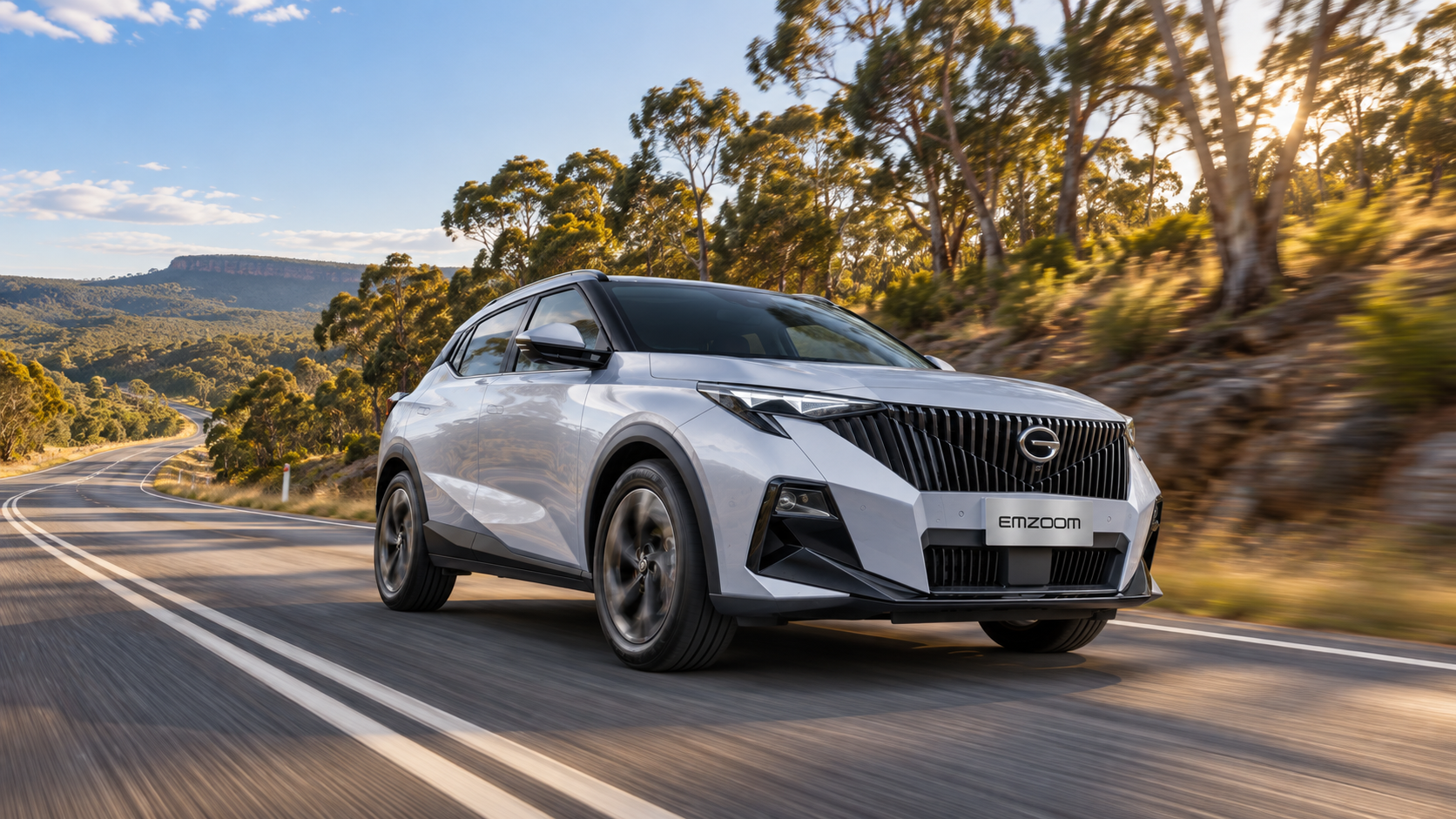
What FWD Means for Australian Driving
- FWD Is Designed for Everyday Road Use
A front-wheel-drive SUV sends engine power to the front wheels. With the engine, transmission and driven wheels concentrated at the front, the layout suits compact packaging and the road-focused use expected from many small SUVs.
For drivers who mainly use suburban streets, city roads, sealed highways and maintained regional routes, FWD can provide the traction needed for normal conditions. It also keeps the purchase decision focused on qualities that affect every trip, including responsive performance, cabin space, visibility, fuel consumption and ease of parking.
- Know When You Need More Traction
AWD can provide additional traction when accelerating on slippery or loose surfaces, while 4WD is generally associated with more demanding off-road use. Buyers who regularly travel through snow, deep sand, steep muddy access roads or difficult unsealed terrain should decide whether one of those drivetrains is essential before shortlisting a FWD SUV.
For predominantly sealed-road driving, the extra capability may be unnecessary. FWD can still handle rain and changing road surfaces when the vehicle has suitable tyres and is driven to the conditions. No drivetrain removes the need for safe speed, adequate following distance or tyres with sufficient tread.
- Tyres and Ground Clearance Still Matter
Tyres influence grip during braking, cornering and wet-weather driving, regardless of which wheels receive power. Ground clearance also matters when routes include rough driveways, damaged road edges or maintained gravel roads. A buyer should check both rather than assuming the drivetrain label tells the whole story.
How to Choose a FWD SUV in Australia
- Start With Your Regular Routes
List the trips that account for most of your driving. Note daily distance, parking conditions, passenger numbers and how often you leave sealed roads. An occasional holiday should be considered, but it should not outweigh the requirements of the journeys you make every week.
|
FWD Selection Starts With the Roads You Use A useful shortlist begins with real driving patterns. If most trips are on sealed urban, suburban and highway roads, evaluate a FWD SUV on its space, efficiency, safety, comfort and ease of use. If difficult low-grip terrain is routine, settle the drivetrain requirement before comparing other features. |
- Match the Size to Daily Life
Check the vehicle's exterior dimensions against your garage, driveway and regular parking spaces. Inside, confirm seating capacity, rear-seat comfort and boot space with the rear seats upright and folded. A long equipment list cannot compensate for a boot that is too small or a cabin that does not fit the people who travel with you.
- Assess the Powertrain and Fuel Use Together
Power and torque figures describe only part of the driving experience. Look at where peak torque is available, how the transmission responds at low speed and how comfortably the vehicle merges or overtakes. Compare the combined fuel figure, then remember that traffic, temperature, load, accessories and driving style will influence everyday consumption.
- Check Safety and Assistance by Trim
Review core safety equipment before convenience features. Useful items can include electronic stability control, tyre-pressure monitoring, automatic emergency braking and forward-collision warning. Lane support, adaptive cruise control, cameras, blind-spot views and parking sensors may vary by trim, so confirm the equipment fitted to the version you intend to buy.
- Test Comfort Technology and Ownership Fit
A test drive should include the roads and speeds you use most. Check seat support, forward and rear visibility, steering at parking speed, ride comfort and cabin noise. Test the central screen, smartphone connection, climate control and charging ports rather than assuming they will suit your routine.
Before making a decision, also confirm current drive-away pricing, warranty terms, servicing requirements and access to an authorised dealer. These factors shape the ownership experience long after the first test drive.
Top FWD SUV for Australia: GAC EMZOOM
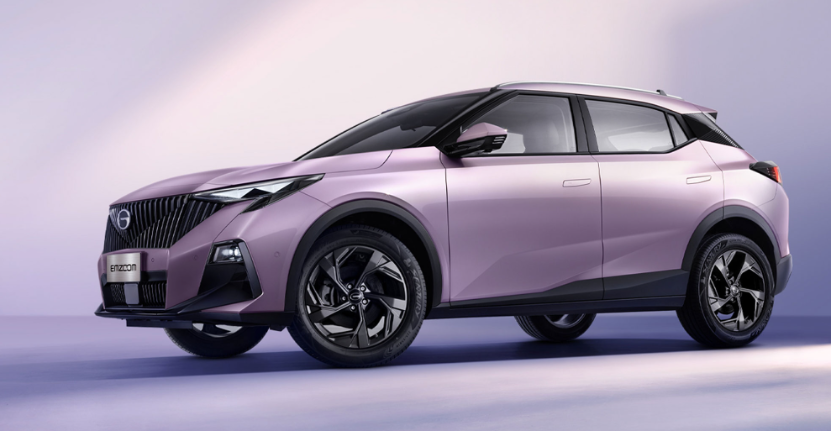
GAC EMZOOM is a front-wheel-drive small SUV. That FWD layout positions it for buyers whose regular driving centres on city, suburban and highway roads rather than routes that require AWD or dedicated off-road capability.
FWD Powertrain and Everyday Performance
EMZOOM uses a 1.5-litre turbocharged engine with 125 kW at 5,500 rpm and 270 N·m from 1,400 to 4,500 rpm. A seven-speed dual-clutch transmission sends power to the front wheels. The broad torque band can support responsive low- and mid-speed driving, while the transmission provides seven ratios for changing urban and highway conditions.
As with any dual-clutch vehicle, buyers should use the test drive to assess low-speed response, smoothness in stop-start traffic and acceleration onto faster roads. The aim is to confirm that the powertrain feels natural in the situations that make up most of the owner's week.
Fuel Use for Mixed Driving
EMZOOM's combined WLTP fuel-consumption figure is 6.6 L/100 km. This laboratory figure provides a consistent comparison point, while actual consumption will vary with traffic, weather, load, optional equipment, accessories and driving style. Buyers can use it as a baseline and compare it with the trip computer during a representative test drive.
Compact Dimensions and Flexible Cargo Space
EMZOOM measures 4,410 mm long, 1,850 mm wide and 1,600 mm high, with a 2,650 mm wheelbase. Its five-seat cabin is paired with 341 litres of rear luggage space, expanding to 1,271 litres when more cargo capacity is needed.
Minimum ground clearance is 145 mm at full load. That figure should be considered against the buyer's driveway, road edges and regional routes. It supports the same road-focused assessment as the FWD drivetrain rather than an assumption of specialised off-road ability.
Safety and Driver Assistance
Both Premium and Luxury include dual front airbags, dual front-side airbags, side-curtain airbags, electronic stability control, hill-hold assistance and tyre-pressure monitoring. Adaptive cruise control, automatic emergency braking, forward-collision warning, lane-keep assistance, lane-departure warning, integrated cruise assistance and high-beam assist are also listed for both trims.
Parking and visibility equipment differs by version. Premium has a reversing camera and rear parking sensors, while Luxury adds a 360-degree camera, front parking sensors, additional rear sensors, Blind Spot View and automatic parking. Buyers should choose the system they are comfortable using rather than treating the longest feature list as the only measure of suitability.
Technology and Trim Choice
Every EMZOOM has a 14.6-inch central touchscreen, a 7-inch LCD instrument cluster, Apple CarPlay, Android Auto, Bluetooth and six speakers. Both trims also include automatic air conditioning, rear air vents, passive entry and passive start.
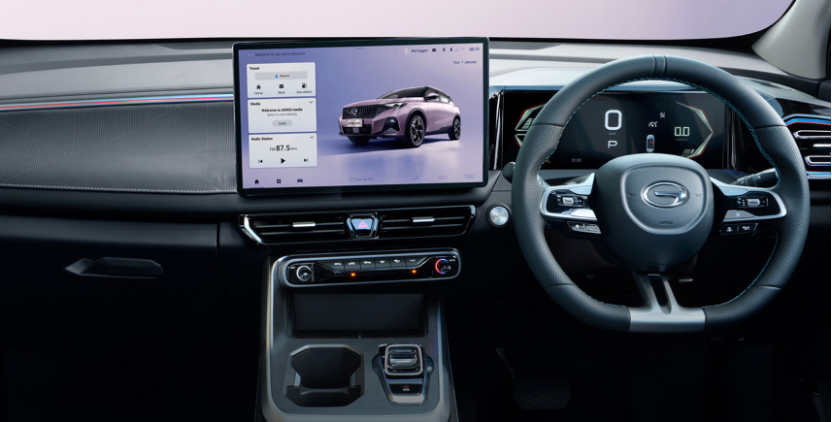
Luxury adds equipment such as a powered tailgate, panoramic sunroof, 50 W wireless phone charging, a ventilated driver's seat, power adjustment for the driver and 18-inch wheels. Premium uses 17-inch wheels and retains the core powertrain, safety, infotainment and five-seat layout. The right trim depends on which convenience and parking features will be used often enough to justify the step up.
Who Should Consider the GAC EMZOOM
EMZOOM can suit buyers who mainly drive on sealed roads and want a compact five-seat SUV with flexible luggage space, connected technology and a broad set of driver-assistance features. Its dimensions can work for urban parking while still providing room for commuting, family duties and highway travel.
Conclusion
Choosing a FWD SUV starts with an honest picture of where and how it will be driven. Define the traction requirement first, then compare size, cargo flexibility, powertrain behaviour, fuel use, safety, comfort, technology and ownership support.
GAC EMZOOM brings those considerations together in a road-focused FWD small SUV with a 1.5-litre turbo engine, five-seat practicality, flexible luggage capacity and driver-assistance technology across both trims. Explore EMZOOM, compare Premium and Luxury, and book a test drive to decide how well it fits your Australian driving routine.
FAQs
Is the GAC EMZOOM FWD?
Yes. GAC EMZOOM is front-wheel drive. Its 1.5-litre turbo engine sends power to the front wheels through a seven-speed dual-clutch transmission. It is best assessed as a road-focused small SUV for city, suburban, highway and maintained-road use.
What matters most when choosing a FWD SUV for Australian roads?
Start with the roads you use most and decide whether FWD provides the traction you need. Then compare exterior size, seating and boot space, ground clearance, powertrain response, fuel use, tyres, safety equipment, visibility, comfort, technology, price, warranty and servicing. A test drive on familiar roads should confirm the final choice.